All you need to know about Revops

All You Need To Know About RevOps

All You Need To Know About RevOps

There is a chasm between those that have fully embraced Revops and those that have simply rebranded existing sales or finance teams.

Think about running a business, laying the foundation for a startup, or tasks in a multinational company. All of them work towards driving higher revenue for their business. This can be achieved by focusing on new customer acquisition as well as improving satisfaction amongst existing consumer base.

Previously organizations operated as separate departments with independent objectives, disjointed client encounters, and disorganized data analysis. Efficiency and cohesion were required to manage operations across Marketing, Sales, and Service. Here is when RevOps was introduced. According to Salesforce report, decision-makers comprehend the mounting significance of revenue operations to achieve their desired outcomes as an individual, team, department, and the organization as a whole.
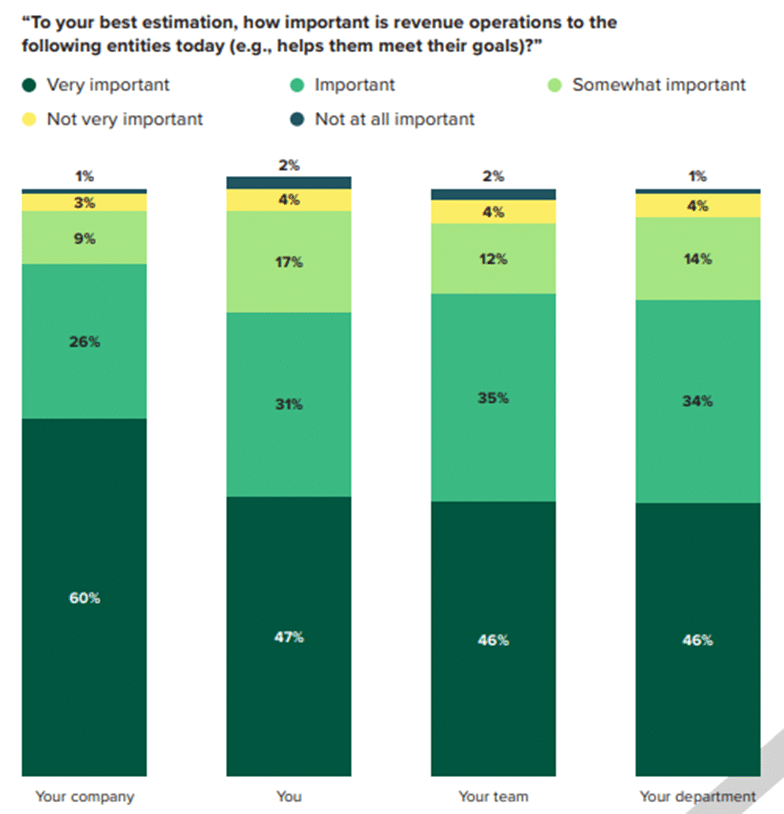
image 6
Source

A staggering 86% of the respondents have explicitly acknowledged the indispensable role played by revenue operations in fulfilling their organization’s objectives.

Revenue operations, also known as RevOps, is an intricate and comprehensive strategy that aims to align and integrate the different functions of marketing, sales, and customer service. The ultimate goal of RevOps is to optimize the customer experience and ensure maximum revenue generation.

To achieve this goal, RevOps eliminates any internal inconsistencies and inefficiencies that might have existed in the past, and brings all revenue-generating departments under one common objective. This means that formerly siloed departments, processes, and tech stacks are streamlined and made to work together in a seamless and harmonious manner.

By doing so, RevOps facilitates a more predictable revenue and growth trajectory, and enhances the overall customer experience. This is accomplished by combining the collective strengths of marketing, sales, and customer service to provide a more holistic and satisfying customer journey. In essence, RevOps can be viewed as a cohesive and synchronized approach to revenue management that enables businesses to thrive in today’s fast-paced and highly competitive marketplace.

“REVOPS CAN HELP YOU OPTIMIZE YOUR LEAD NURTURING PROCESS BY ENSURING THAT THE RIGHT LEADS ARE GETTING THE RIGHT MESSAGES AT THE RIGHT TIME”

Revops impacting businesses

Revops creates a central hub within the organization for customer information. It takes a toll on every significant aspect and connects the sales, marketing, and service team to increase customer acquisition, bookings, recurring revenue, customer churn, and satisfaction. RevOps emphasizes revenue growth by fragmenting internal department silos and facilitating collaboration between customer-facing departments. Revenue operations also assist organizations in leveraging analytics and AI tools to catch and follow trends and opportunities driving revenue streams.

The Need of Revops

Some organizations rely on distinct technological stacks and systems (such as CRM, spreadsheets, business intelligence, and marketing automation) by sales teams, marketing teams, and customer success teams caused a significant disparity in data. This disconnect results in teams presenting their own reports, thereby wasting time on validating and comparing data, leading to an inability to make informed and precise decisions.

The importance of RevOpS lies in its expertise in meeting customer expectations of positive online experiences and personalized interactions. Its framework includes administrative teams, chief revenue officers, and software vendors that create tools to improve data integration and remove silos. The primary focus of RevOps varies with each organization, where some want it to look into marketing operations to drive revenue. While others emphasize sales prospecting or improving upsell and cross-sell capabilities in the service department.

Benefits of implementing Revops

Additional benefits of the RevOps are the alignment, direction, and simplification it bestows on the business through its strategies and teamwork. Bringing together the customer-facing departments ensures impeccable growth in the sales funnel. It guarantees efficiency by creating a common endpoint in mind, such as generating leads, closing deals, and expanding existing accounts.

The final word

To summarize, RevOps is a critical strategy that any organization can adopt to remain competitive in the ever-changing market and meet the ever-increasing expectations of today’s customers. It facilitates organizations to create a flawless personalized customer experience that translates to better revenue growth and a more efficient and productive internal operation.

Maximizing your Cloud Advantage in 2023

Maximizing your Cloud Advantage in 2023

Maximizing your Cloud Advantage in 2023

Although cloud gains can be slow, they are significant for your business. Getting total value from the cloud requires a commitment to continuous reinvention.

Current Cloud Value

Businesses are rushing toward cloud adoption to drive greater resilience, efficiency, and growth. They are seeking to build the agility to tackle current challenges and drive ongoing competitive advantage. However, many companies still require additional effort to materialize their cloud aspirations and progress toward reinvention.

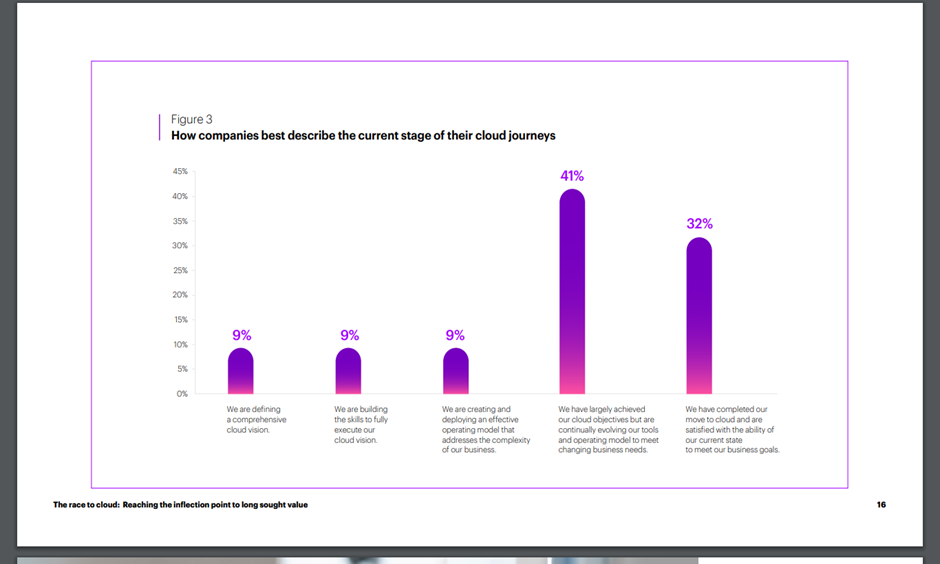
The global outbreak of COVID-19 served as a crucial turning point, compelling businesses to regard cloud computing as a pressing imperative rather than a mere option. With a thriving economy, companies embarked on their cloud computing journeys with ambitious visions in mind. According to an Accenture survey, approximately 32% of the companies perceive their expedition to the cloud as finalized and are content with their ability to fulfil present business objectives. Moreover, 41% acknowledge that their cloud journey is still in progress and persistently transforming to accommodate the varying necessities of the business.

image 5

Overcoming Problems with Extensive Data

The contemporary landscape of enterprise data operates on an entirely different magnitude. To many organizations, the cloud has persistently opened up an increasingly broad spectrum of sophisticated data capabilities, primarily artificial intelligence (AI) and machine learning (ML). Research shows that a mere 25% of organizations are presently attaining the full potential of their data and analytics initiatives. However, AI can only achieve its maximum potential once businesses resolve data-related issues.

Adapting shifting technology spend

According to a cloud computing report, during the early stages of cloud adoption, providers and enablers promised a significant reduction in operational expenses, ranging from 20-40%. Despite the fact that some organizations have achieved this goal for certain workloads and applications, there are few that have achieved such efficiency across a wide range of tasks. Numerous entities are encountering setbacks in realizing their ROI and contending with spiraling invoices on a monthly basis.

Enabling and Accelerating Cloud

Cloud technology is a significant catalyst for the transformation of data and a critical facilitator of groundbreaking business prospects. It provides built-in and seamlessly integrated platform services for organizations in various industries, including centralized monitoring and logging functionalities, scheduling, and orchestration. Moreover, cloud technology permits easy customization of computing and storage capacity according to specific industry requirements and enterprise needs, utilizing a range of offerings, from optimized computing power to storage nodes.

Editor’s note

Commitment to cloud computing has skyrocketed in two years, and realizing its full potential is now more attainable than ever. However, realizing this requires a shift in mindset, focusing on the journey toward cloud adoption rather than solely on reaching the destination.

It must be acknowledged that cloud computing is a muscle that requires continuous strengthening. Although transforming existing technology to the cloud is a heavy lift, the possibilities that await are numerous. The momentum gained from successfully migrating to the cloud paves the way for Total Enterprise Reinvention and puts you on the fast track toward achieving your goals. The key is identifying the right opportunities and persevering even when facing challenges or setbacks.

We have now reached a turning point in this journey. Migrating to the cloud is the first step in unlocking its full potential and driving continuous transformation. The real challenge lies in identifying the appropriate use cases that revolve around a more expansive definition of value. We can optimize operations and expedite growth by utilizing cloud computing as an operating system that integrates data, artificial intelligence, applications, infrastructure, and security.

How AI Continues to Transform Healthcare

How AI Continues to transform healthcare

How AI Continues to transform healthcare

Things AI is doing for healthcare aren’t fiction anymore. Artificial intelligence is changing the healthcare industry and doing it well.

Ai in healthcare

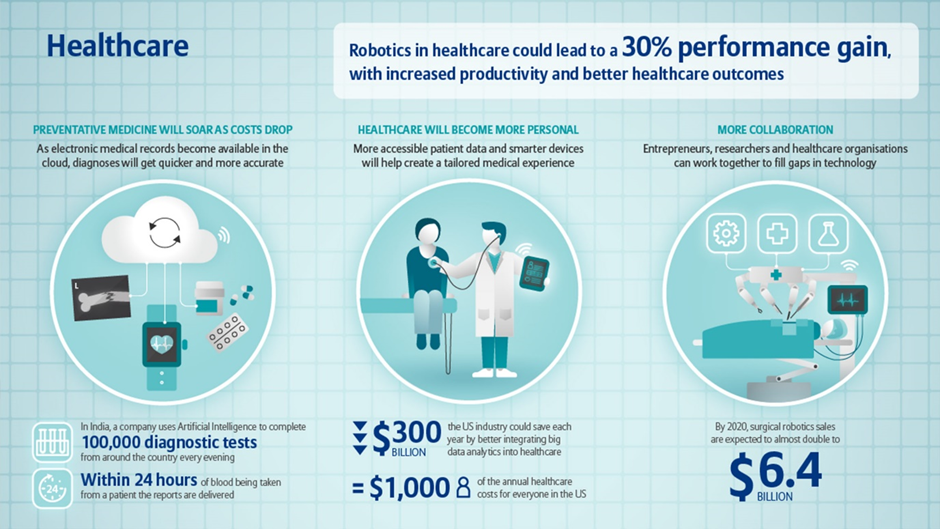
AI and deep learning are doing some of the things humans do- only quicker, better, and more economically. Frost & Sullivan predicts artificial intelligence (AI) will help the American healthcare industry save over $150 billion by 2025.

AI-powered healthcare solutions are helping with medical diagnosis, drug discovery, medicine, and more.This article will drill down and give you insights into the substantial ways Artificial intelligence is playing a huge role in healthcare. 

AI and the path ahead

Artificial intelligence will transform the lab of the future. Healthcare data platforms would help doctors and scientists better understand diseases and their treatments. Biopharmaceutical researchers have achieved a lot in this space in the last couple of years, but we’re still far from having a systematic process for medical intervention for different patients. There are limits associated with reductionism in medicine, and AI can bring in a step change.

image 3
Source

The Precision

  • Robot-assisted surgeries allow medical professionals to perform complicated procedures with precision. These surgeries are minimally invasive and boost doctors’ precision. 
  • AI also helps diagnose diseases early, making the treatment overall more effective than the traditional diagnosis. 
  • A Nature research article found that an AI system surpassed human doctors in detecting breast cancer, enhancing the efficiency and accuracy of cancer screening.
  • Different lifestyles, genetics, and environments call for precision medicine. Massive parallel sequencing, or NGS, is capable of sequencing a person’s genome with insane speed (Compared to traditional sequencing that almost took a decade to achieve the same!).

The Prediction

  • Stanford study found that AI was better able to predict how long the patients have to live (The AI algorithm showed an accuracy of 90% compared to 64% for human doctors).
  • The complexity of human bodies makes drug discovery a long process. Some scientists believe AI will expedite the process and have a drug available for treatment in 1/10th of that time. Artificial intelligence can deliver results here at an unprecedented pace and scale. 
  • AI can predict the diseases an individual is prone to, treatment options, and the readmission risk in certain patients.
image 4
Source

A Grain of Salt

AI algorithms can amplify existing biases in data sets. Since medical data can be very biased, we must build AI models that are fair and on the level. The other challenges that can come up are integrating engineering with complex human biology, data privacy, upgrading technology & infrastructure, and more. Mastering these complexities will be arduous but equally impactful.

The Editor’s Note

Technology can’t replace human expertise, but the convergence of the two will help drive innovation swiftly. Artificial intelligence is helping healthcare practitioners and experts eliminate manual tasks. Companies need to understand and define their north star to make progress in the right direction, and AI will help them move there faster.

Human ingenuity combined with the power of AI and machine learning will not only help achieve the present results at a breakneck speed, but also achieve things the healthcare industry previously deemed impossible.

blogs 01 1

Sales Enablement Trends for 2023

Sales Enablement Trends for 2023

The future of B2B sales is hybrid. Since B2B buyers are using more channels, B2B sellers must, too.

Sales Enablement Trends

Over the past few years, the B2B purchasing journey has undergone a significant transformation and become more intricate. With customers now having more power, they prefer conducting their own digital research while multiple parties are frequently involved in making purchasing decisions.

Over the past few years, the B2B purchasing journey has significantly transformed and become more intricate. Customers now have more power, so they prefer conducting their own digital research while multiple parties are frequently involved in purchasing decisions.

Introduction

As you embark on your journey to devise your company’s sales enablement strategies for 2023, you may be curious about the expected outcomes of your current sales plan.

AI and machine learning are now prevalent, and with tools like ChatGPT leading the way, more sales organizations are incorporating these technologies into their selling procedures. A Press Release by Gartner predicts that by 2025, 75% of business-to-business (B2B) sales organizations will incorporate artificial intelligence (AI) guided selling solutions into their traditional sales strategies. AI technology will play an essential role in understanding their customers’ needs and behaviours to make more informed sales decisions.

By implementing an effective sales enablement program, you can empower your sellers to consistently meet prospects’ and customers’ demands and meet their targets.

Buckle up for the advent of the latest sales enablement trends in 2023

As the corporate terrain transforms rapidly, you must keep abreast of the latest sales enablement trends to promote revenue growth.

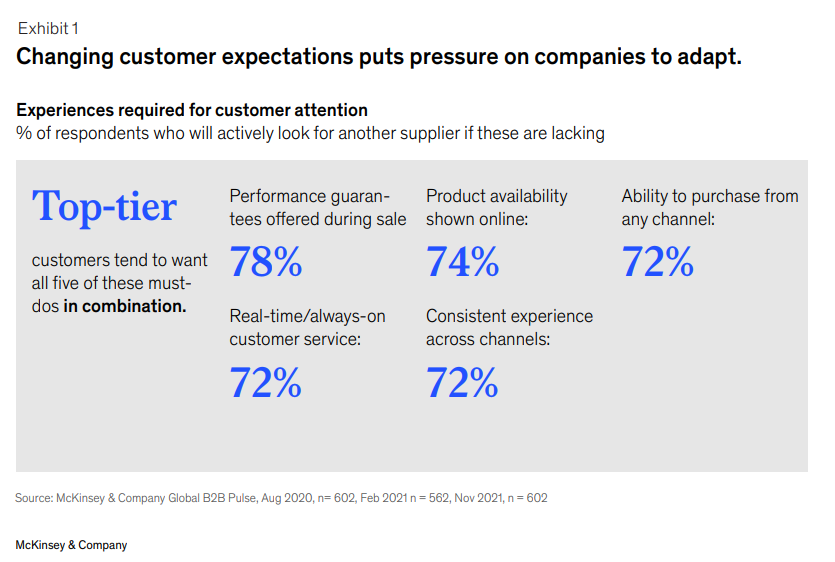
According to a Salesforce report, an overwhelming 82% of vendors have had to expeditiously adjust their selling approaches in response to global challenges such as inflation, supply chain disruption, and health safety measures. These trials and tribulations have necessitated expeditious modifications to their standard operating procedures.

image

This year, companies will confront fresh challenges and opportunities within the sales sphere, from fluctuating customer expectations to nascent technologies. Here are some of the most salient trends that are poised to make a significant impact in 2023.

The rise of AI-enabled selling

Sales enablement is no longer just a functional process or focusing on distributing the right content to the reps at the right time. We see an increased interest in the marketplace in utilizing artificial intelligence as part of sales enablement. 

AI-powered solutions will help further streamline the process of driving successful sales conversations. Ultimately, it’s all about enabling all those incredible sellers out there, so they can act truly customer-centric and drive top-line revenue.

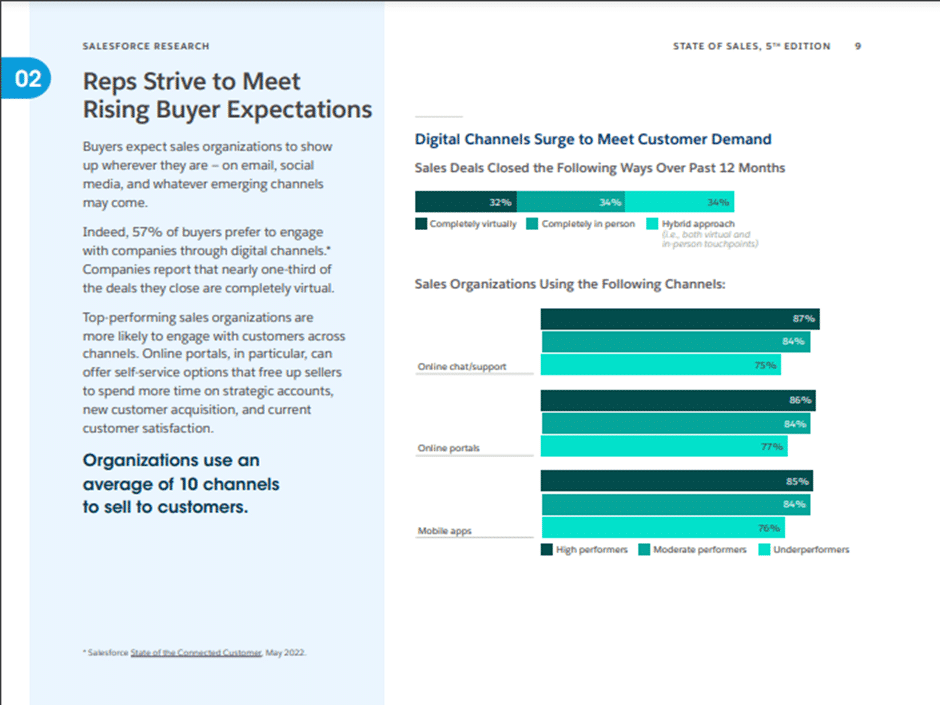
This can include automating repetitive tasks, providing real-time data and insights, and helping salespeople identify new opportunities. Buyers anticipate brands to support their research on multiple channels, including— email, social media, or other budding channels. The Salesforce report also indicates that 57% of purchasers prefer communicating with enterprises through digital channels. Companies have disclosed that approximately one-third of the agreements they seal is entirely virtual.

image 1
Some examples of AI-enabled selling tools include:
  • Chatbots and virtual assistants that help qualify leads and schedule appointments
  • Predictive analytics tools that enable sales teams to forecast sales and identify high value prospects
  • Personalization and recommendation engines that help salespeople tailor messaging and personalize product offerings for individual customers.

Focused engagement while improving retention

In the contemporary B2B world that has been altered by the pandemic and current economic turmoil, obtaining and retaining talented sales professionals has become a persistent challenge. 

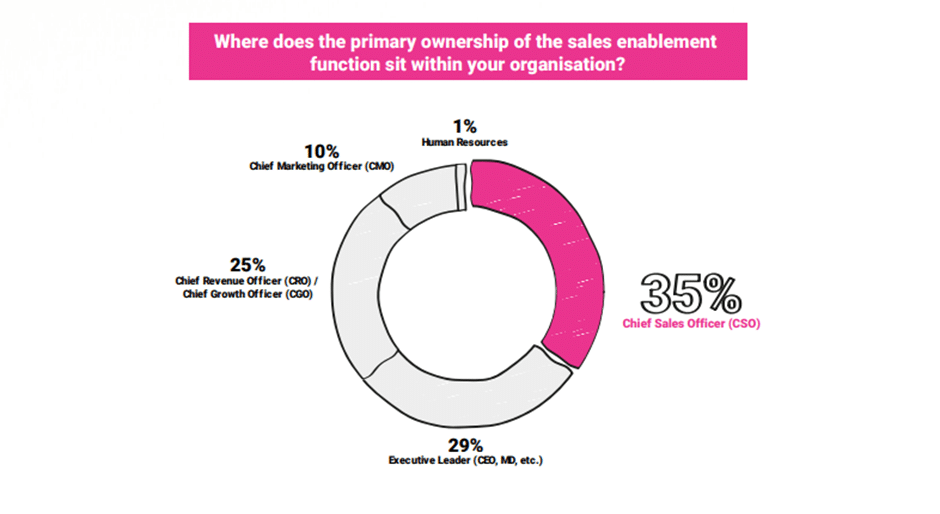
report indicates that in many organizations, the sales enablement function is under the jurisdiction of the Chief Sales Officer (CSO). In contrast, the Chief Revenue Officer (CRO) and Chief Growth Officer (CGO) share the responsibility for 25% of organizations. This shift signifies a larger trend towards a more cohesive relationship between sales and marketing.

image 2
Although the most significant proportion of responses (38%) suggested that sales manage the sales enablement function, with some input from marketing, 77% noted some degree of cooperation between the two divisions, indicating an encouraging shift towards greater collaboration.

One of the most effective ways of maintaining sales representatives’ motivation and involvement is by crafting a sales enablement program that fosters a positive seller experience. A sales advisory council may be established to encourage team feedback, give voice to your representatives and gain insight into building a solid sales culture.

Sales enablement must also evolve to shift to virtual work environments and the growing customer preference for online sales.

Sales playbooks and training sessions should include remote selling techniques and educate reps on using digital tools effectively. Employees must be trained and developed to increase their confidence in their job performance, ultimately maximizing their productivity. Regular coaching should be provided to help salespeople allocate their time and resources, and best practices from top performers should be shared.

Furthermore, enablement-led onboarding procedures may strengthen your sales team by minimizing ramp time and increasing engagement levels for new representatives.

Hybrid Selling: The New Norm for Sales Enablement

The Covid-19 pandemic has changed the game for sales. Remote selling has become the norm, and a hybrid approach that combines in-person and remote interactions is the new standard. Dubbed “Hybrid Selling,” this approach has gained traction due to customer demand for remote-first engagement and the preference of sales reps for this flexible format.

Modern B2B customers seek a balance between the personal touch of in-person interactions and the convenience of remote contact via phone or video. According to an Mckinsey article, over 90% of companies are adopting hybrid selling as their go-to approach, focusing on remote-first engagement. This omnichannel approach offers greater flexibility, scalability, real-time engagement, and profitability than traditional methods.

In today’s world, where remote work is becoming more and more prevalent, hybrid selling is the way forward for sales enablement. By embracing a mix of in-person and remote interactions, companies can connect with prospects more effectively and efficiently than ever before.

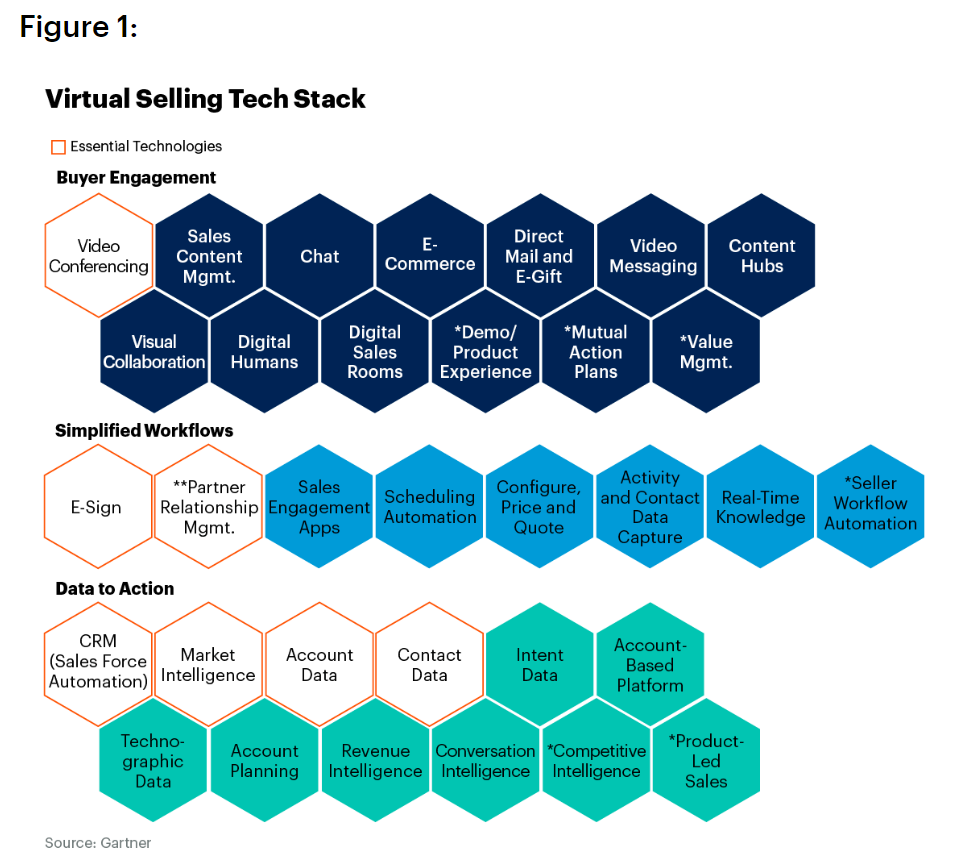
Thanks to advanced technology and seamless connectivity, digital engagement is now on par with an in-person meeting. Hybrid selling is here to stay because it simply works. Remote sales reps can reach up to four times more prospects than traditional face-to-face interaction, generating up to 50% more revenue.

Editor’s note

Investing in AI-aided sales enablement platforms has long been considered an additional business expense. However, this mindset may require reconsideration. Sales enablement solutions allow high-performing sales teams to stay ahead of the curve. These technological tools seamlessly integrate with pre-existing enterprise systems, ensuring ease, effectiveness, and use efficiency. Data-driven decision-making boosts revenue growth, and this is particularly significant when customers are cautious about their spending habits in anticipation of an impending global economic downturn. They require unequivocal proof of the value of a company’s products and services before committing to a purchase. You just cannot stay still in enablement. You require constant drive and pure innovation to adapt sales methods to current realities for staying ahead.

blogs 02 1

Building a Cyber-Resilient Business: Best Practices and Strategies

Building a Cyber-Resilient Business: Best Practices and Strategies

Championing cybersecurity can be complex as cyber-attackers continue to infiltrate business network securities. Thriving businesses are finding new ways to foster resilience.

Cybercrimes are increasing in frequency and intensity. CISOs must prioritize safeguarding organization’s data, applications, and network to reinforce business operations in this unpredictable realm. Traditional cybersecurity techniques no longer help when it comes to malevolent hackers who are constantly trying to infiltrate your security networks. You require robust cyber-resilient strategies that ensure uninterrupted business operations in case of a cyber-attack.

Security leaders must build cyber resilience by incorporating recovery and continuity strategies and protection to stay ahead. This approach entails investing in people, processes, and technology to mitigate the effects of cyber incidents and ensure continued operations.

Safeguarding against cybersecurity threats means adopting a holistic approach that goes beyond basic protective measures. By being cyber resilient, organizations can reduce the impact of an attack and ensure operational excellence.

Is your enterprise cyber-resilient?

In today’s digitally interconnected era, the exponential use of new technologies is the sine qua non for skyrocketing your business growth. But it is also crucial to safeguard your business from cyber-attacks to improve organizational cyber-resiliency. According to a global cybersecurity report, most organizations lack the cyber resilience needed to match their risk, with only 19% of cyber leaders feeling confident in their organization’s ability to withstand cyber-attacks. This translates to the need for businesses to focus on preventing, detecting, and responding to cyber threats for unceasing operations and ROIs. 

The present-day ‘cyber-consciousness.’

Cyber resilience refers to a business’s ability to constructively integrate technologies, people, and processes to prepare an organization for unforeseen risks like sharp economic shifts, natural calamities, terrorism (including cyber and physical), and more. A survey indicates that 81% of respondents concur that the cost of staying ahead of attackers is unsustainable, compared to 69% in 2020. 

Hence, organizations must foresee dynamic attack vectors by upgrading the present-day threat models. Ignoring these risks while heavily prioritizing the business ROIs could make you defenceless. In an Accenture survey amongst 4,744 executives globally, many Chief Information Security Officers (CISOs) believe they need more recognition for their contribution to fulfilling the business strategy. The Accenture survey also states that 85% of respondents agree that cybersecurity strategies are developed with business objectives like growth or market share. 

Cyber resilience includes preventing, detecting, responding, and constructing effective recovery strategies if broken down into components. 

This process involves implementing solid passwords and firewalls and promptly identifying threats using intrusion detection systems. Businesses need to have an understanding of their data volume and its location. By mapping your data, you can understand its significance, regulate it according to relevant regulatory requirements, and mitigate the potential risks associated with non-compliance, theft, and other unauthorized activities.

Drifting towards cyber resilient compliances

Despite the compliance function building stronger relationships, one obstacle still needs to be overcome: poor standing within the business. According to the Accenture survey, 36% of respondents believe the compliance function needs more organizational stature, making it easier to strengthen compliance. Interestingly, the challenge is more significant in industries with less regulatory scrutiny than financial services. 

Organizational stature is a major hurdle for improving compliance culture and function, compared to only 25% of capital market respondents who think the same. 

Strategical approach for building a cyber-resilient business

Fabricating cyber-resilient business strategies requires using new technologies, robust cybersecurity policies, training employees to recognize and respond to cyber threats, conducting regular vulnerability assessments, and implementing incident response plans. 

As per the Accenture report, more than nine in ten Compliance Risk Study respondents (93%) agree or strongly agree that new technologies such as AI and cloud make compliance easier by automating human tasks, removing human error, and making the process more effective and efficient. 

54% of the report‘s respondents say AI and ML technologies will strengthen compliance. Thus, investing in a cloud-based platform can facilitate the alignment of risk processes across the business, while AI can help reduce risk by automating repeatable tasks. 

The Final Word

Digital transformation is a key business priority for many organizations, and cybersecurity is an integral part of it. Incorporating cyber resilience into digital transformation efforts can help organizations achieve their business goals while mitigating cyber risks. This includes identifying and managing cyber risks in new digital initiatives, ensuring cybersecurity is integrated into the design of new systems and processes, and ensuring cybersecurity is a critical consideration in decision-making.

It is time to rethink your cyber resilience tech investments wisely and reassess your cybersecurity posture to protect your personal data or intellectual property from any mishap in the future.

blogs 03 1

5 B2B Sales Strategies to close more deals this year

5 B2B Sales Strategies to close more deals this year

Modern customers demand more, and B2B salespeople who understand this reframe set themselves up for success.

COVID-19 compelled businesses to move online; everything we associated with the word ‘in-person’ moved into virtual spaces. But even though a digital sales environment came with unique challenges, it also showed an unexpected level of success.

Turning the page on the pandemic, businesses are now shifting to a hybrid sales model. Even during the economic turmoil, some savvy sales leaders are learning to leverage the new situation and leapfrogging competitors. This article will show you how.

B2B sales strategies 1

1. Customer-centric sales

Customer needs have shifted enormously in the last couple of years. With all the knowledge at their disposal, they need more from brands and their customer-facing teams. They want salespeople to come prepared to demonstrate how their solutions address customer pain points and prove expertise with personalized omnichannel experiences.  

Supporting customer buying journeys and making the interactions easier for them would drive revenue growth. Businesses must shift the focus from the traditional sales funnel to journey orchestration. 

2. Sales Analytics

Salespeople must take an evolved approach to prospecting. Harness the power of data and customer intent to gauge buyer readiness. Analytics will convert the comprehensive customer data into insights and eventually into results.

One thing B2B sales teams need to learn from their B2C counterparts is tailored communications. Sales analytics will allow you to keep a pulse on customer intent and craft data-backed value propositions, delivering consistent experiences precisely when your prospects expect them.

3. Setting the content bar high

Outperforming brands zero in on communicating complex ideas in a simple way. B2B products require a substantial investment, and your content has to be convincing enough for buyers. That’s where trust comes into the picture.

Great B2B content shows experience and thought leadership. It supports the buyer’s decision-making, validating that the seller isn’t just another vendor but a partner.  Create content that is result-oriented and focused on outcomes.

virtualy selling

4. Channel Mix

Most B2B buyers prefer digital interactions. A mix of online and offline channels can help sellers support different stages of the customer journey

Salespeople need to read different situations and comprehend what makes the buyers tick in both digital and in-person settings. Our analysts suggest a hybrid approach here- digital channels allow for more informed and frequent communications, and physical meetings give the much-needed human touch to a B2B sales environment.

5. Events

In today’s age, events are a great way to foster robust relationships and build credibility. Modern brands now organize webinars, hackathons, and conferences to draw customers’ attention and build trust.

Sales and marketing departments have to be in sync for events to work well. Silos can lead to overlapping touchpoints; sales and marketing teams collaborating can help close deals faster and coordinate a smooth handoff. 

The Editor’s Note

Brands must assess how customers are using their products and services. Customer-led growth is the future of sales and marketing. Comprehending product usage data will pave the way for meaningful customer interactions, boosting conversion rates and solidifying retention.