Why-Are-Manufacturers-Switching-to-SaaS

Why Are Manufacturers Switching to SaaS?

Why Are Manufacturers Switching to SaaS?

The manufacturing industry, traditionally known for running on outdated formats, is now adopting SaaS strategies with Industry 4.0. But are they making the most of it?

Industry 4.0 highlights the shift in how manufacturers operate. Driven by a technological combination of SaaS, IoT, and AI, the increased usage of SaaS by manufacturers is not just a technological trend, but a strategic shift towards greater agility, efficiency, and data-driven decision-making. As Industry 4.0 continues to evolve, SaaS will undoubtedly play an even more crucial role in propelling manufacturers to new levels of competitiveness and success.

A confluence of factors has contributed to the SaaS’s success. Here are some of the most prominent ones:

1. Technological advancements

Cloud computing paved the SaaS path, giving us the flexibility to access software from afar. Marketers got the freedom from pricey hardware – it’s all about affordability and accessibility now.

2. Increased mobility and remote work

With gadgets everywhere and work on the go, we needed software that follows suit. And SaaS fits the bill. It is compatible with almost any device and needs just a stable internet connection.

3. Ease of use and deployment

Setting up SaaS is like a breeze compared to the old-school software hustle. It’s user-friendly, no IT “mastery” needed – perfect for all sizes and tech prowess levels.

4. Subscription-based pricing

With SaaS, you get pocket-friendly subscriptions. Pay for what you use, and skip the upfront software license splurge. It gives you the flexibility to scale up or down and match your growth without breaking the bank.

5. Continuous updates and improvements

SaaS vendors diligently attend to the maintenance of software, alleviating the burden of upkeep. You don’t need to worry about the complexities of maintenance – they ensure its continual freshness, enabling you to concentrate on your core competencies.

6. Improved data security and disaster recovery 

SaaS excels in data security, providing top-tier disaster recovery capabilities against potential data disruptions.

7. Integration and automation

In terms of collaboration, SaaS seamlessly integrates with other applications, fostering a harmonious relationship. It extends beyond mere integration, featuring built-in functionalities that automate routine tasks, contributing to enhanced efficiency.

8. Increased adoption of digital technologies

Everyone’s jumping on the digital bandwagon, and SaaS is the ticket. It’s the go-to for businesses, offering a cost-effective shortcut to a tech-savvy edge. 

The reasons for switching to SaaS are many, but what is in it for the manufacturing industry in particular? Let’s find out.

Why Manufacturers Are Switching to SaaS?

First off, let’s talk about the main thing – cost savings. When adopting SaaS for manufacturing software, the process is as straightforward as completing a subscription form. No need to invest in servers, worry about storage or power or navigate complex integrations. This means zero on-site costs, leaving your IT team to focus on guiding your digital transformation efforts and exploring the opportunities that Industry 4.0 brings to the table.

1. Scalability 

is another key perk. Unlike traditional enterprise software with its hefty and irreversible commitments, SaaS lets you pay only for what you use. Need to scale up? A few clicks will do the trick. Scaling back is just as easy, eliminating the risk of maintaining unnecessary servers.

2.Security 

is a paramount concern for manufacturers, and SaaS addresses this by embedding it into the subscription. The responsibility for security falls on the shoulders of the SaaS provider, who is often better equipped to establish secure computing environments than an average manufacturer. They make data security a priority because it’s fundamental to their business and reputation.

Remote access

 is a game-changer, especially for manufacturers with multiple production sites. SaaS solutions, accessible from anywhere with an internet connection, empower you to handle tasks remotely. Whether reviewing data and analytics from different sites or making decisions on the fly, the flexibility of remote access is invaluable. Real-time notifications and seamless team collaboration are added conveniences.

SaaS ensures continuous updates happen in the cloud, eliminating the need for manufacturers to work around costly and time-consuming upgrades. You always have access to the latest features and tools without disrupting production.

Now, let’s talk about processing capacity. Traditional desktop software limits you to your hardware capabilities. In contrast, cloud-based SaaS provides limitless scalability, offering as much processing power as your project demands. This means no more waiting around for tasks to be processed, saving valuable time.

For instance, a manufacturer adopting SaaS for their inventory management can easily scale up or down based on seasonal demands, eliminating the need to maintain excess server capacity during slower periods. The continuous security updates from the SaaS provider ensure that sensitive inventory data is always protected, contributing to overall risk mitigation.

Additive Manufacturing and SaaS

Additive manufacturing, also known as 3D printing, is a process that creates three-dimensional objects by depositing materials, usually in layers, under computer control. Within the additive manufacturing industry, there are four key components: machines, materials, services, and software. 

SaaS enables businesses to scale their operations and automate the development of 3D-printed jigs and fixtures. This, in turn, leads to a reduction in costs and production time. For instance, a manufacturer can use SaaS to streamline the design of intricate fixtures, optimize material use, and boost production speed. Additionally, collaborative features in SaaS make communication and coordination across teams easier, enhancing overall efficiency in the evolving landscape of additive manufacturing.

Is SaaS the future?

Looking at the current trends, it is safe to say that the SaaS trajectory will not flatten anytime soon. SaaS startups and products are emerging at an exponential rate, and the technology is shaping the future of businesses. When it comes to adopting SaaS for your business, it is no more a question of “if” now it’s all about “when.”

Security-Considerations-When-Using-Cloud-Infrastructure-Services

Security Considerations When Using Cloud Infrastructure Services?

Security Considerations When Using Cloud Infrastructure Services?

If you’re familiar with cloud infrastructure services, you know how they have changed the way businesses operate by offering exceptional scalability, agility, and cost-efficiency. And while the benefits are many, one cannot ignore the alarming concern: how secure is this cloud infrastructure landscape?

But an alarming report by Palo Alto Networks suggests, 77% of organizations globally reported experiencing at least one cloud security incident in the past year.

Industry leaders must prioritize security when using cloud services. If you are not careful enough, it can lead to irreversible damage. Ignoring security measures today can leave you and your organization vulnerable to long-lasting consequences. Many businesses face significant challenges, particularly when it comes to security and data protection issues.

Key Security Consideration When Using Cloud Infrastructure Services

. Access Control and Authentication:

  • Multi-factor authentication (MFA): Take the game up a notch by utilising biometric authentication, one-time-pins, or security keys for security.
  • Role-based access control (RBAC): Give the minimum privilege, and restrict the users access based on their function and context.
  • Identity and access management (IAM): Unify user management, perform security auditing of access logs, and link security policies.
  • Continuous monitoring and threat detection: Uncover unusual user signs and probable next-term-breaches.

2. DDoS Mitigation:

  • DDoS scrubbing services: Filter malicious traffic before it reaches your cloud resources.
  • Rate limiting and traffic shaping: Control network traffic flow to prevent resource overload
  • Geo-distributed infrastructure: Leverage geographically diverse data centers to withstand targeted attacks.
  • Incident response plan: Have a well-rehearsed plan to quickly respond to and contain DDoS attacks.

3. Regulatory Compliance:

  • Data privacy regulations (GDPR, CCPA): Set up data encryption, anonymity and consent management as means to protect user privacy.
  • Industry-specific compliance: Knowing all requirements of your industry and complying with industry-specific controls may help to protect you from cyber-attacks
  • Regular audits and assessments: Compliance checking is continuous and it includes internal and external audits from time to time.
  • Cloud provider compliance certifications: In choosing vendors, be sure that they belong to the relevant professional associations that ensure that their processes comply with the regulations.

4. Data Protection:

  • Data encryption: Apply strong encryption algorithms to encrypt the data in rest and the data being transmitted.
  • Data loss prevention (DLP): Outlaw unauthorized data exit by means of available content scrutiny measures.
  • Backups and disaster recovery: Implement the sufficient data backup and recovery strategy to guarantee the data availability even is its any catastrophe.
  • Shared responsibility model: Grasp the shared accountability between you and your cloud provider of protecting data security.

5. Network Segmentation and Isolation:

  • Micro-segmentation: Divide your cloud environment into smaller, isolated segments to limit the impact of breaches.
  • Security groups and access control lists (ACLs): Define granular access rules for resources within each segment.
  • Cloud-native security tools: Use managed security services and tools specific to your cloud platform.
  • Zero-trust network access (ZTNA): Implement least privilege access and continuous verification for all network access.

6. API Security:

  • Authentication and Authorization: Apply perfect authentication systems to the utilization of API as well as enforce access control rules.
  • Gateway for APIs: Administer, observe, and guard the traffic concerning the APIs via one central gateway.
  • Scanning or Penetration Testing for API’s Vulnerability: Periodically assess any vulnerabilities in your APIs and identify possible attack vectors.
  • Secure APIs: comply with industrial standards and best practices in order to ensure a secure development and deployment of APIs.

7. Misconfiguration Prevention:

  • Infrastructure as Code (IaC): Automating cloud configuration will help you keep it consistent and significantly cut back human errors associated with manual operations
  • Configuration Management Tools: Implement tools that can enforce security policies and baseline configurations across your cloud environment.
  • Security-focused workflows: Integrate security checks into your cloud deployment and configuration processes.
  • Continuous Monitoring & Logging: Watch out for changes/suspicious activities on cloud configurations to detect/prevent misconfigurations.

8. Data Sovereignty and Residence:

  • understanding data residency laws: Map your data towards relevant regulations then choose cloud providers whose data centers are compliantly positioned.
  • Data encryption/tokenization: Safeguard sensitive data whether at rest or in transit by encrypting such information so that its ownership is maintained eve when it is stored outside your region.
  • Data residency certifications: Choose providers with certifications that demonstrate compliance with data residency requirements.
  • Contractual clauses: Ensure your cloud provider contracts respect your data sovereignty requirements.

9. Geo-Resiliency:

  • Multi-region deployments: Distribute your cloud resources across geographically diverse regions to ensure redundancy and availability.
  • Disaster recovery plans: Have a tested plan for recovering from natural disasters or infrastructure outages.
  • Cloud provider disaster recovery capabilities: Understand your cloud provider’s disaster recovery infrastructure and procedures.
  • Regularly test and update plans: Ensure your disaster recovery plans are up-to-date and tested regularly to ensure effectiveness.

Future Trends for Cloud Infrastructure Services

Cloud computing is growing faster than we ever imagined. Every day, something new is being released that changes how we think about, use, and administer cloud services. The cloud computing future looks pretty stable, and there is no doubt that the cloud has disrupted the traditional IT landscape. Yet, its evolution is far from over

Here is what the future of cloud infrastructure services could look like:

AI-as-a-Service on the Rise: As the times change, businesses will use AI for more than just cutting costs, using it to build agile, data-driven strategies.

Multi and Hybrid Cloud Flexibility: Now, single-vendor dominance has little relevance, giving way to a flexible mix of cloud providers for cost savings and agility, but careful data governance and integration are crucial.

 Real-Time Data Insights: Overcoming data latency, businesses will use real-time insights from the cloud, enabling quick decision-making.

 Quantum Computing Innovations: Quantum technology will integrate with the cloud, bringing unprecedented processing power and propelling innovation to new heights.

 Edge Computing Revolution: Data processing moves closer to the source, enabling instant reactions and localized intelligence, particularly impactful in manufacturing and healthcare.

 SASE for Security: Security Access Service Edge (SASE) will seamlessly integrate network security with wide area networks, ensuring robust digital security.

 Green Cloud Sustainability: The cloud adopts environmentally friendly technologies, allowing businesses to innovate with a reduced impact on the planet.

Improved Security Measures: Cloud providers enhance security protocols to protect against evolving cyber threats, offering businesses a strong defense.

Conclusion

The bottom line is that with technologies and data advancing each day, so is the security concern. Businesses must invest in proper security solutions and understand ways to mitigate attacks even before they occur. A security breach could even cost you the entire company. So, the decision is yours – understand potential threats to your company and invest in solutions beforehand, or keep your organization at risk!

Christmas-2023-the-latest,-greatest-marketing-campaigns-

Christmas 2023: The Latest and Greatest Marketing Campaigns

Christmas 2023: The Latest and Greatest Marketing Campaigns

Christmas is the perfect time to outshine your competitors. From heartwarming to hilarious, discover the Christmas campaigns that stole the show this year.

Christmas is the season to spend on gifts, good food, and marketing budgets! With the opportunity for moment marketing, generating awareness, and distinguishing your brand from others, brands don the Santa hats to deliver the perfect Christmas ad. With brands going beyond the traditional ways to market to their customers, it is almost a competition amongst the brands to resonate with the Christmas spirits. This year, several marketing campaigns stood out with their unique storytelling, emotional resonance, and innovative use of technology. Explore Data-Powered Marketing.

Let’s take a closer look at the top 7 Christmas campaigns of 2023:

Top 7 Christmas Marketing Campaigns of 2023

Coca-Cola | The World Needs More Santas

Coca-Cola continues its legacy of spreading holiday cheer with “The World Needs More Santas,” a campaign celebrating the power of kindness and giving. Imagine if you lived in a world where everyone was a Santa! That is the essence of Coca-Cola’s 2023 Christmas advert. The heartwarming ad features individuals going the extra mile to brighten someone’s

day, reminding us all that anyone can be a Santa Claus and even small deeds such as showing up to parents’ dinner on Christmas Eve is also a present for them.

PETA | Tessa the Turkey

PETA’s heartwarming animated film “Tessa Turkey” takes viewers on a unique Christmas journey. Follow the charming Tessa, voiced by Jane Horrocks, as she guides us through a delightful winter wonderland. The film beautifully captures the festive spirit but with a twist. Through subtly altered Christmas carols and scenes, Tessa reveals the harsh reality of

traditional holiday meals. The film’s message is clear: “Kill the tradition, not a turkey. Try vegan this Christmas.”

PETA’s extensive online presence ensures its message reaches a global audience. By owning various domain extensions and redirects, they guarantee users land on the official site, preventing misinformation and protecting their brand.

IKEA | Take a Holiday from the Holidays

Amidst festive cheer, Ikea Canada’s “Take a Holiday from the Holidays” reminds us to prioritize peace. The heartwarming ad, featuring Tiffany’s “I Think We’re Alone Now,” captures the authentic reality of the season – sometimes we need to step back and recharge. Just like an Ikea piece assembled from diverse elements, the brand name itself reflects its core: creating something beautiful and unique through individual components.

AMAZON | Joy Ride

Amazon’s 2023 Christmas campaign, “Joy Ride,” takes us on a heartwarming journey celebrating enduring friendship and the timeless joy of youth. Three elderly women observe children playing on a sledding hill, their faces filled with nostalgia and longing. Inspired by the youthful spirit around them, one woman turns to Amazon, ordering sled cushions. The arrival ignites their adventurous spirit, and soon they’re reliving the thrill of the hill, proving some joys never fade. The ad, accompanied by an instrumental version of The Beatles’ “In My Life,” beautifully weaves past and present, reminding us that some friendships and experiences stay with us forever.

JOHN LEWIS | Snapper: The Perfect Tree

John Lewis’s heartwarming 2023 Christmas advert captivated audiences with its quirky twist on holiday traditions. The story follows a young boy who plants a seed, hoping for a perfect Christmas tree. Instead, a mischievous Venus flytrap named Snapper sprouts, bringing unexpected joy and chaos to the family. Snapper’s love for Christmas is undeniable, but his size becomes a problem. Moved outside, he watches the family from the window, yearning to be included. The boy, recognizing their special bond, gives Snapper a Christmas present, leading to a heartwarming realization: Snapper possesses a unique talent – sorting and delivering gifts!

John Lewis’s ingenious strategy seamlessly blends emotional connection with customer experience. By weaving the charm of their Christmas story into an interactive shopping experience, John Lewis strengthens brand recognition and fosters loyalty.

APPLE | Fuzzy Feelings

This year, Apple’s holiday ad, “Fuzzy Feelings,” tugs at our heartstrings with a heartwarming story about perspective and kindness. We meet an animator named Sam, who finds an outlet for her frustrations by depicting her grumpy boss in humorous, stop-motion animations. Between late deadlines and harsh criticism, Sam’s boss seems like a total Scrooge.

But on the eve of a holiday party, everything changes. Sam witnesses her boss hand out personalized gifts to his employees, revealing a hidden warmth beneath his gruff exterior. This unexpected gesture unlocks a new perspective for Sam, prompting her to revisit her animation.

In a beautiful twist, Sam transforms her depiction of her boss, replacing humor with genuine kindness and understanding. The ad concludes with a poignant message: “Creativity has the power to change the way we see each other and the world. Sometimes, seeing things through a new lens can make all the difference.”

Apple’s “Fuzzy Feelings” is a captivating reminder that judging others based on first impressions can be misleading, and there is warmth to those even with stone-cold hearts. The ad encourages us to embrace the power of creativity to foster empathy and understanding, making the holiday the season even more meaningful.

Vodafone | The Connection

Vodafone’s heartwarming Christmas ad campaign tells the story of Lily, a tech-savvy little girl who sets out to capture Santa Claus on camera with the help of her mischievous toy elf. Powered by Vodafone’s reliable network, Lily’s plan unfolds, leading to a moment of pure joy and wonder on Christmas morning.

The 30-second ad, directed by Sam Cartmell, perfectly captures the spirit of the holidays and underscores the importance of connection during this special time. It intelligently showcases how Vodafone’s technology bridges distances and brings families closer, reminding us that the greatest gift of all is the joy of being connected with loved ones.

A Trip Down the Memory Lane: Top 3 Ever-loved Campaigns

While these current campaigns capture the essence of the Christmas spirit, some timeless classics continue to hold a special place in our hearts.

Here are the 3 ever-loved Christmas campaigns:

M&S: “Mrs. Claus”

While Santa Claus gets all the attention, M&S’s “Mrs. Claus” campaign reminds us of the woman behind the man. The ad celebrates the strength and resilience of women, showcasing Mrs. Claus as the busy and dedicated force behind the North Pole operation.

Sainsbury’s: Unexpected Heroes and Emotional Impact

Sainsbury’s “Mog’s Christmas Calamity,” an ad released in 2015 featured heartwarming moments leaving viewers feeling touched and inspired. The ad tells the story of a cat named Mog who accidentally ruins Christmas dinner. However, through a series of fortunate events, Mog manages to save the day and become the hero of Christmas.

John Lewis’s “Somewhere Only We Know”

The 2013 animated Christmas campaign, showcasing a hare gifting her bear friend an alarm clock to wake him up for the holiday, charmed its way to the top of our festive ranking. It shows the story of friendship and evokes a sense of belongingness, striking the emotional cords of the viewers.

Coca-Cola: A Christmas Legacy

Coca-Cola is one of these few brands that changed the world for marketing and branding teams alike. Especially when it’s the Christmas season. You can really “taste the feeling” with those brightly-lit Coca-Cola Christmas campaigns.

It was not until 1931 that this soda elixir set foot in the Christmas vibes. While the brand certainly did change the image of Father Christmas forever, it is also said many people believed Coca-Cola to be the harbinger of Santa Claus – this was the craze for its ads.

Inspired by the Clement Clarke Moor Poem, “‘Twas the Night Before Christmas”, Coca-Cola commissioned an illustrator in 1931 to create an image of Santa Claus drinking Coke. This image, combined with careful brand building transformed their Santa into the definitive icon of the holiday season.

Coca-Cola’s brand identity goes beyond its festive links, showcasing its unique brand voice and engaging its target audience by connecting a brand image with ideas of community, joy, and experience.

The most important lesson emerging companies can learn from Coca-Cola’s branding efforts show that great brands come from an emotional place. Coca-Cola’s USP isn’t about producing a better product, it’s a promise to deliver an exceptional and “joyful” experience.

Looking Ahead: The Future of Christmas Campaigns

With technology constantly evolving, it’s no surprise that brands are utilizing moment marketing during the Christmas season.

The good news?

Ad technology advancements are proving to be a major asset for marketers, allowing for even more effective advertising strategies. Brands can also expect to see an increased focus on social media and influencer marketing. By partnering with relevant influencers or creating relevant mascots, brands can reach a wider audience and create a more authentic connection with consumers.

Ultimately, the most successful Christmas campaigns will be those that can emotionally connect with consumers and create a sense of wonder and excitement for the holiday season.

Google-launches-Gemini-Its-most-capable-AI-Model-yet-for-Bard

Google’s AI Mixboard Debuts as a Pinterest Rival – Ciente

Google’s AI Mixboard Debuts as a Pinterest Rival – Ciente

Google, a pioneer in various technological breakthroughs, reveals the latest Gemini model for Bard. How will this change the Conversational AI dynamics?

Recently, Google’s AI-chatbot Bard got its highest upgrade with the Gemini AI model, and users could not be happier.

As researchers race towards building an AI-powered world, the battle to produce the best AI chatbot gets fiercer, and the outcome of this hustle seems a win-win for all.

 Bard’s initial AI models LaMDA (2021-2023) and PaLM (May 2023), had limited interactive capabilities, propelling Chat-GPT to be at the frontier of AI-based chatbots. The launch of Gemini and now Gemini Pro (Dec 2023), with super-advanced attributes, has transformed AI development and the industry dynamics. Researchers suspect Gemini would be the biggest threat to ChatGPT.

Gemini would be available in 3 sizes:

 Gemini Pro: Designed to operate on a broad range of tasks and is currently deployed across the Bard platform.

Gemini Ultra: Curated to be more complex and adept at solving complicated tasks.

Gemini Nano: The most efficient prototype for on-device tasks.

 While Gemini Pro has made headlines since its release, Google has not confirmed the release dates for ultra and nano. The advanced Gemini Ultra came out with flying colors with a score of 90.0% on a test called MMLU (massive multitask language understanding) in 57 subjects like physics, math, law, medicine, history, and more to check its problem-solving abilities and knowledge. For the first time in history, an AI model displayed more expertise than a subject matter expert in those benchmarks. Moreover, the Gemini Pro model powers the AlphaCode 2 AI system, predicted to be better than the best human programmers.

 The engineers at Google are confident they are creating some of the cutting-edge foundational building blocks. Enterprises and developers can later customize this to suit complex business needs.

Gemini’s approach to multi-modality

The Multi-modality feature of Gemini implies its ability to operate on multiple modes of inputs and generate various modes of outputs listed below:

  • Text
  • Images
  • Code
  • Audio
  • Video

How does Gemini’s multi-modality model deliver results?

Multimodal models like Gemini are curated by combining text-only, vision-only, or audio-only models in a suboptimal way from the ground level up. This design empowers it to have conversations across various modalities and solve problems like humans.

 Gemini integrates these to perform complex reasoning in subjects like Mathematics and Physics and outperforms its peer chatbots in problem-solving and reasoning skills. No other present-day chatbot has data input features like image or audio that Gemini Pro boasts of. Currently, Gemini Pro cannot generate an image or video-based output, but that prospect is not very far away, considering how Google engineers are passionately innovating the model.

 Salient features of Gemini pro-powered Bard

 Bard has undergone a radical transformation and displays features never seen before in its previous versions or counterparts. Some of its salient features that have revolutionized conversational AI capabilities are:

 Incorporation of image as an input

With this feature, Gemini Pro has the superpower to read infographics and charts and arrive at analysis in three different formats within seconds. Such derivatives could take hours if done through human intervention. Moreover, it can save the data as a Google sheet for further edits and share it on public links like Facebook, LinkedIn, Twitter, or Reddit. The chatbot can conjure a meaningful story around images you feed as input, as shown on Google’s official YouTube channel.

 Audio/Video/Code as an input

By incorporating Google’s Speech-to-Text API, Gemini Pro has the prowess to execute real-time audio-to-text conversion. User interactions would now feel more fluid rather than mere robotic. It can dive into YouTube videos and extract a list that gives you a gist of a long video in a bullet-point format.

 Extraction of relevance from a vast data set

Gemini-Pro can help extract insight or relevance from multiple documents and help research-paper writers simplify their jobs robustly.

Integration with Google Workspace

When swamped with work, there is often no time to search for an important email amidst a heap of emails. Bard, in its latest avatar, has its users covered. You can type simple prompts asking Bard to find out a particular task/email, and it will direct you to the relevant answer within seconds.

Since this is Google’s own chatbot, Bard can access anything stored on the Google- Workspace and derive critical information from Gmail, docs, sheets, or calendars. It can also help you get a gist of the latest doc or sheet you created, optimizing your time for other business activities. This integration simplifies chunks of activities that would have entailed hours of inspection and effort.

 One Crucial aspect for consideration: What about safety protocols?

Though technology advances with the right intention, it is susceptible to misuse and tampering. This technology caters to a thriving database of users, and because of its magnanimity, the researchers felt the need to adopt fool-proof safety protocols to safeguard the user’s interests. The combination of text and image as input can pose many safety-related threats or be offensive, so Google has approached this possibility responsibly. At Google DeepMind, highly experienced professionals have implemented effective protocols as armor against such probabilities. By including classifiers and filters at the backend and executing rigorous tests against those policies, they have made Gemini a safe and responsible model from the foundational stage.

 Conclusion

Enriched with remarkable features, better-analyzing capabilities, and robustness, this thriving AI model can seamlessly demystify large-scale and complex information. No other chatbot has features like audio/video input, social media and Google Workspace integration, and complex problem-solving abilities like the Gemini Pro-powered Bard.

 The collective goal of generative AI has always been the same across developers: To make the world’s vital information easily accessible to one and all. Currently, we can safely conclude that Google, with this marvel, is at the forefront of AI-based innovation and released the best breakthroughs with limitless potency. If this evokes healthy competition in other technology-based enterprises and paves the way for more advanced technological solutions, we would be delighted to embrace that outcome.

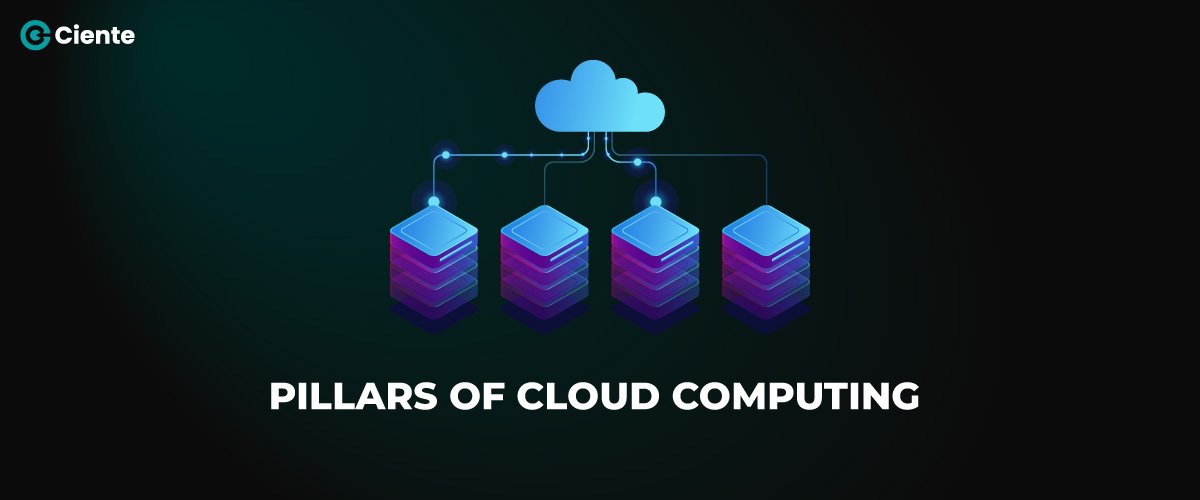
Pillars-of-Cloud-Computing

Key Pillars That Support Effective Cloud Computing: Decoding the Fundamentals

Key Pillars That Support Effective Cloud Computing: Decoding the Fundamentals

From cloud engineering to infrastructure, learn about each pillar of cloud computing and how they drive organizational growth in today’s times.

Cloud computing today has evolved far beyond a familiar idea; it’s an extensively utilized technology that continues to expand in scope and creativity over time. Recent insights from Gartner, Inc. indicate a major increase in worldwide spending on public cloud services by end-users by the end of this year. They predict that the number will grow by 20.7% in 2023, reaching around 591.8 billion USD.

Cloud computing takes organizations beyond the traditional IT approaches, providing them with scalable, more cost-effective, and efficient solutions that allow for better collaboration and so much more. In this article, we’re looking at the fundamental pillars of cloud computing and what they’re comprised of, along with the benefits that come with them.

The Pillars of Cloud Computing

Cloud computing has brought a major shift in how organizations access and manage technology by adding scalability, flexibility, and efficiency to computing services. Let’s look at the major pillars of cloud computing:

  1. Cloud Infrastructure

A cloud computing structure can only be considered a success if its underlying infrastructure has been meticulously designed and implemented. The infrastructure of the cloud is the set of interconnected computer systems and related software applications that enable cloud services to function. It is the backbone of cloud computing. The infrastructure is composed of the following: 

  1. Data Centers: Data centers are physical or virtual repositories that enable the storage, management, and dissemination of data. These centers can host servers, storage systems, and networking hardware.
  2. Cloud Servers: Cloud servers are powerful computers that store data and applications. Since these servers are virtual, it allows for better scalability and flexibility by allowing organizations to adjust resources as per their requirements.
  3. Networking elements: Now, there is a need to keep the infrastructure interconnected. That’s where networking elements come into play. They build a network of communication systems that includes routers, switches, and load balancers.

Depending on the architecture, it emphasizes reliability and redundancy to keep services running smoothly and data safe and easily accessible.

2. Cloud Architecture

This pillar of cloud computing is the framework on which the cloud services are deployed, managed as well and scaled. The key components of a cloud architecture include:

  1. Front-End Interfaces: These are the tools and devices utilized by companies to engage with their chosen cloud solutions. This communication can be enabled through various interfaces, providing a seamless user experience in accessing cloud resources.
  1. Core Back-End Systems: Serving as the pivotal structure of cloud offerings, these systems comprise essential elements such as servers and data repositories. They are a part of the foundational layer that supports and powers cloud functionalities.
  1. Service Distribution in Cloud Computing: This aspect refers to the methodologies employed in delivering services within an organization, tailored to its specific needs, such as PaaS, Saas, and IaaS.
  2. Connectivity and Data Flow in Cloud: The efficiency and effectiveness of cloud architecture are heavily reliant on a robust network framework. This network is crucial in linking the various segments of cloud infrastructure, ensuring smooth and rapid data exchange.

Note: Cloud Infrastructure and Cloud Architecture are two distinct pillars of cloud computing. The infrastructure determines the software and hardware needed to manage the cloud services and the cloud architecture is all about how the infrastructure is organized.

3. Cloud Engineering

Engineering is at the heart of cloud solutions. They need to be designed and implemented by using engineering principles to ensure that they function well. Cloud engineering involves the following steps:

  1. Designing Cloud Solutions: Depending upon a business’s needs and demands, engineers create customized solutions that ensure the efficiency and scalability of the services, while balancing costs.
  2. Implementing Cloud Systems: Cloud systems need to be implemented properly. This includes setting up the infrastructure, configuring the cloud services, and ensuring that they are seamlessly integrated with an organization’s existing systems.
  3. Management and Maintenance: Cloud environments must be monitored and managed consistently to ensure that they’re performing well, without any errors or functional issues.

4. Cloud Security

Along with the convenience that cloud computing brings to an organization, there’s also an increased need to keep the systems secure. According to insights from IBM regarding cybersecurity, it was noted that in 2023, the worldwide average expense incurred due to a data breach amounted to approximately 4.45 million U.S. dollars. Cloud security is one of the major pillars of cloud computing and it comprises the following:

  1. Data Protection: Organizations need to implement measures that help them safeguard data that is stored in the cloud from unauthorized access and breaches, among other cyber threats.
  1. Network Security: Network security involves securing the network infrastructure to prevent vulnerabilities and attacks on the cloud.
  1. Identity and Access Management: Since the cloud is completely virtual, it is imperative to control who has access to the cloud resources to make sure that only those assigned can access sensitive data as well as applications.
  1. Compliance and Legal Requirements: Cloud security also involves knowing and following regulatory and legal requirements to make sure that the organization’s cloud services comply with industry standards and laws.
  1. Incident Response and Recovery: Even though one establishes cyber security measures, there still is a need for having protocols that will allow for quick responses in case of security incidents and breaches. These protocols will also help the organization quickly recover from such incidents.

5. Cloud Migration

The migration to the cloud as well as the optimization of those cloud-based systems are crucial parts of cloud computing. Let’s look at what this process consists of:

  1. Strategic Development and Assessment: This is the initial stage in which organizations map out and evaluate the approach they will follow for migration in detail. This stage involves identifying which applications and data need to be transferred, understanding the current IT setup of the organization, and creating goals to be achieved with and after the migration process is over.

  2. Implementation of the Migration Process: After the plan has been laid out, the process of transferring the data and applications to the cloud starts, making sure that it is handled with precision and has fewer or no operational disruptions. This process involves using techniques such as phased rollouts, pilot testing, and real-time monitoring to make sure that the migration is smooth and effective.
     
  3. Continuous Optimization after Migration: Following the migration, the emphasis is on optimizing and fine-tuning the cloud resources to be highly efficient operationally and financially. This process generally involves monitoring systems, making sure that all the settings are correct and functional, and adjusting settings and resources as per the demands of the organization.
  1. Security and Regulatory Compliance Enhancement: After the migration process has been completed, it is crucial to ensure that the data and applications comply with security protocols and regulatory standards. This typically involves establishing security measures, such as data encryption, managing user access, and conducting regular security assessments.

But Why Should Organizations Use Cloud Computing?

Let’s look at the benefits that come with using cloud computing for your business:-

  1. Scalability
    The capacity to scale up or down as needed is an essential benefit of cloud computing for companies. Without investing in hardware, they can scale up or down according to an organization’s needs. Businesses that deal with unpredictable workloads regularly must prioritize this kind of adaptability.
  1. Pay-Per-Use Pricing Model

In contrast to traditional technological methods, cloud computing stands out for its cost-effectiveness. This efficiency primarily stems from its unique pricing model, where users incur costs based on their actual usage. Such a pay-as-you-go structure ensures that organizations, irrespective of their scale, benefit from both the adaptability and the financial accessibility that cloud services offer. This model not only optimizes resource allocation but also aligns with the varied demands of diverse organizations, making it an ideal choice in the contemporary digital landscape.

  1. Disaster Recovery & Business Continuity
    When data is stored in the cloud, businesses can easily and quickly recover their data that was lost due to hardware failures, natural disasters, and even cyber-attacks. This makes sure that a business is running continually, even under adverse conditions.
  1. Multi-tenancy or resource pooling feature

Cloud environments work on a multi-tenant model, where multiple users can share and access the same infrastructure resources, depending on the level of access they’re granted. When more people use the same resources, it can benefit both the cloud service provider as well as the end-users by saving costs and also having a better usage of the resources.

  1. Automated Management

With cloud services, you don’t have to worry about having a huge IT team. This type of service typically includes automatic capabilities for managing and maintaining the service, which can handle tasks such as server maintenance, software updates, and even security issues. Businesses can focus on what they do best and put more resources into what matters instead of worrying about service management.

  1. Integration with existing systems

Cloud services are quite flexible and easily integrated with existing systems. This allows businesses to have a cohesive IT environment that combines the cloud as well as on-premises resources effectively.

  1. Enhanced Collaboration

Cloud computing allows organizations to collaborate better, both within their organizations and with external partners. Cloud-based tools and platforms provide features such as real-time sharing and editing of documents, streamlined communication methods, and better as well as more efficient project management, regardless of where people are geographically.

Conclusion

Cloud computing is a dynamic and multifaceted domain, which is pivotal in shaping the landscape of modern technological solutions and business operations. Its impact becomes more profound with the intricate pillars that we discussed in this article, ranging from cloud architecture to cost-effective cloud services.

Moreover, it’s essential for enterprises to prioritize the security dimensions of these technologies. This focus goes beyond mere data protection; it’s about assuring the uninterrupted and secure functioning of the organization’s daily activities, encompassing both their established systems and any cloud-based infrastructures.

Micro-segmentation

Micro-Segmentation in Marketing: The Future Of Personalized Customer Engagement

Micro-Segmentation in Marketing: The Future Of Personalized Customer Engagement

In this data-driven and information-rich world, micro-segmentation is marketers’ secret weapon to target the right customers with the right message at the right time.

Traditional marketing strategies are losing their effectiveness, as customers are bombarded with a bulk of marketing messages across various channels.

In this information-rich era, when consumers research before spending even a penny of their hard-earned money, the one-size-fits-all approach will lead to customer alienation, reduced engagement, and low revenue. 

Enter: micro-segmentation. Thanks to micro-segmentation, marketers can segment the customers into smaller groups and hit the target customer with a bird’s eye view. With micro-segmentation, marketers can not only target the right customers with the right message but also build relationships with them on a deeper level.

What is Micro-segmentation?

Mircro segmentation

Micro-segmentation is the practice of dividing a target audience into highly specific, narrowly defined segments based on detailed characteristics to deliver personalized marketing, enhance relevance, and improve conversion rates.

How to Implement Micro-segmentation 

Setting the foundation with Data Collection

The power of micro-segmentation lies in its ability to uncover hidden patterns and insights from a vast pool of data. Collecting data from diverse data points is crucial for precision. For instance:

Website Behavior: 

Tracking website visits, page views, and user interactions will give marketers valuable insights into individual browsing habits, interests, and preferences.

CRM Data: 

Customer relationship management (CRM) systems store a wealth of information about customer demographics, purchase history, support interactions, and feedback. With this data, marketers can easily understand customer profiles and identify buying patterns.

Social Media Interactions: 

Social media platforms offer a rich tapestry of data, including likes, comments, shares, and sentiment analysis. With this data, you can tap into customer preferences, brand perception, and even emotional triggers.

Efficacious Management of Microsegments 

With the data in hand, the next essential thing for marketers is tools to effectively create and manage microsegments.
Two key tools play a pivotal role:

Marketing Automation Platforms: 

These platforms provide a centralized hub for data management, segmentation, and campaign automation. They allow marketers to define microsegments based on specific criteria, track campaign performance, and optimize messaging for each segment.

Customer Relationship Management (CRM) Systems: 

CRM systems serve as a repository of customer data, enabling marketers to segment customers based on their CRM profiles. They also provide tools for personalized marketing campaigns, such as targeted email marketing and customer lifecycle management.

CRM 2 1

Turning Insights into Personalized Experiences

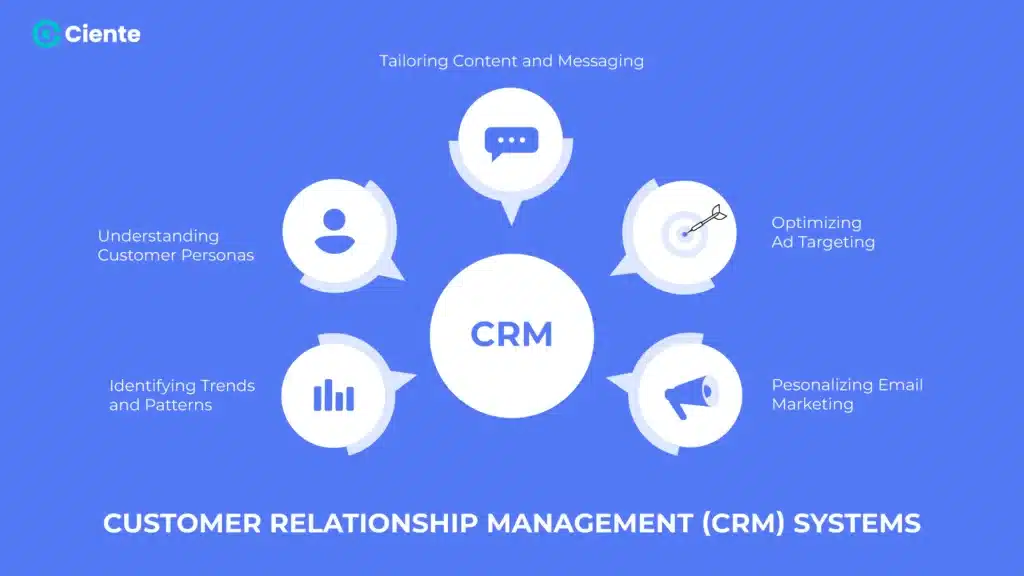
Data is the fuel that powers micro-segmentation, but what matters is how that data is transformed into actionable insights. Marketers must bridge the gap between data and action by:

Identifying Trends and Patterns:

 Analyze data to uncover hidden patterns, trends, and correlations that define distinct microsegments.

Understanding Customer Personas: 

Develop detailed customer personas for each microsegment, considering their demographics, interests, behaviors, and preferences.

Tailoring Content and Messaging: 

Craft personalized content and messaging that resonates with the unique characteristics of each microsegment.

Optimizing Ad Targeting: 

Target ads to specific microsegments based on their online behavior and interests, ensuring that the right message reaches the right audience at the right time.

Personalizing Email Marketing: 

Segment email lists based on microsegments and tailor email content to address the specific needs and interests of each group. 

The ideal examples of micro-segmentation would be Facebook and Google tools. Facebook Custom Audiences allows marketers to match their customer data with Facebook users, enabling targeted advertising campaigns for specific microsegments. 

Similarly, Google Customer Match enables marketers to upload their customer data to Google and target ads to these customers across Google properties, including Search, Gmail, and YouTube.

Upsides of Micro-segmentation

Yielding Personalized Marketing Campaigns 

Micro-segmentation marketing stands out for its ability to weave intricate, personalized narratives for distinct audience segments. This precision allows businesses to craft marketing campaigns that resonate profoundly with individual needs and preferences. Whether it’s through targeted emails, social media endeavors, or engaging experiences like personality quizzes, businesses can now speak directly to the hearts and minds of their customers, leading to increased conversion rates and enriched customer engagement.

Adequate Knowledge of Customer Needs and Behavior

By fragmenting their customer base into smaller, more manageable groups, businesses gain a panoramic understanding of the diverse needs, preferences, and behaviors that shape their audience. Micro-segmentation facilitates meticulous customer data analysis, unveiling patterns and trends unique to each segment. With a deep understanding of this knowledge, businesses can customize their offerings and marketing approaches, nurturing brand loyalty and enhancing the overall customer experience.

Improved Retention and Customer Lifetime Value

Micro-segmentation marketing empowers businesses to pinpoint segments with high customer lifetime value, paving the way for strategic initiatives aimed at nurturing and retaining these valuable consumers. With insights into distinct references and purchase intents, businesses can implement targeted retention programs, personalized notifications, and real-time interactions to keep customers engaged and loyal. Moreover, identifying segments with optimal profitability allows for effective resource allocation, maximizing return on investment. 

Challenges in Micro-segmentation

Data collection: 

Gathering the necessary data to create microsegments can be time-consuming and resource-intensive. Marketers need to collect data from a variety of sources, including website analytics, CRM data, and social media interactions.

Data analysis: 

Analyzing the data to identify patterns and trends can be complex and requires specialized skills. Marketers may need to hire data scientists or use data analysis software to help them make sense of the data.

Technical implementation: 

Implementing micro-segmentation can be technically challenging and requires expertise in data management and marketing automation platforms. Businesses may need to invest in new technology or hire consultants to help them implement micro-segmentation.

Resource constraints: 

Implementing and managing micro-segmentation can be resource-intensive, and businesses need to have the necessary personnel and budget in place.

Wrapping it up

Micro-segmentation is not just a buzzword, but an indispensable tool that can take you a step closer to your target audience. While there are challenges, the benefits far outweigh the risks. Micro-segmentation is a paradigm shift in marketing, enabling marketers to craft personalized messages, gain deeper customer insights, and optimize resource allocation.