How Cadbury 5 Star’s ‘Do Nothing University’ is Encouraging Relaxation in the Age of AI?
How is Cadbury 5 Star staying relevant to the times by promoting “Do Nothing”?
Would you enroll yourself in a university that teaches you to do nothing?
Well, yes, you heard that right!
Where AI is mastering every task, there is one thing only humans need to focus on – doing nothing. In these times, where the hustle culture is prevalent and slowing down is often seen as a setback, doing nothing could help.
And Cadbury 5 Star is making that happen for us. With yet another witty, humorous, and thought-provoking ad, Cadbury 5 Star is here to get you enrolled in the “Do Nothing University,” a place where you are taught to do nothing.
The brand aims to welcome AI instead of fearing it, in line with its tagline, “Eat 5-star, do nothing.” The microsite 5staruniversity.com hosts interactive video sessions for participants to learn the art of doing nothing. Corporate-employee-turned-comedians Atul Khatri and Rahul Subramanian teach the modules, which help people enjoy doing nothing while preparing for an AI-powered future workspace.
Source
The Art of Doing Nothing
The ad begins with a person browsing the library shelves, eyes narrowed in determination to upskill himself with the latest hotshot qualifications. But on the TV in front of him, the news blares: “AI Masters Every Task!” With each book he picks up – coding, data analysis, even underwater basket weaving – the robotic newscaster smirks, “AI Aced it Already!” Just as despair sets in, a soothing voice cuts through the tension: “Feeling overwhelmed by the ever-evolving skillset of our new robot overlords?” The camera pans to a chocolate bar on the desk, its wrapper whispering, “There’s one skill AI will never master…” (No points for guessing which chocolate that would be!).
This segues perfectly into the introduction of 5 Star’s Do Nothing University. It lets you forget the stress of keeping up with the AIs! Here, you can finally master the art of relaxation with quirky courses like Advanced Nap Techniques, The Art of Strategic Cloud Watching, and the ever-popular Professional Daydreaming 101. Unlike traditional universities burdened by debt, Do Nothing University offers the ultimate perk – a Certified Do-Nothing Professional diploma – perfect for hanging on your fridge because who needs a real job anymore?
5 Star – A Marketing Genius
Keeping the humor aside and focusing on the marketing goals, Cadbury 5 Star’s Do Nothing University campaign was an intelligent and innovative way to promote their brand by playing on the idea of relaxation in a world increasingly dominated by AI. This is why it worked:
Reinforcing their brand identity: 5 Star has a long-standing association with “doing nothing.” This campaign solidified that image.
Creating a buzz: The quirky concept of a “Do Nothing University” generated a lot of online interest and conversation. Not to forget they also partnered with internet sensations like Atul Khatri and Rahul Subramanian.
Engaging consumers: People could participate in online courses and get “certified” in doing nothing, creating a fun interactive experience.
Capitalizing on the latest trends: AI has become integral for brands across diverse categories worldwide, except for a few exceptions (in this case, chocolates). In this clever move, 5 Star utilized AI to promote its brand tagline effectively by subtly integrating it into its marketing strategy.
If this tickled you, you definitely should enroll at 5staruniversity.com (because apparently, even clicking a link requires too much effort these days) and join the over 3 lakh students who’ve welcomed the future of chilling. In a world run by robots, the only skill that truly matters is the ability to, well, not do anything at all.
So, grab a 5 Star, settle in, and get ready to become a certified master of doing absolutely nothing!
Ready to take your content to the next level? Explore the endless possibilities of best content syndication platforms for unparalleled reach and impact.
In the fast-paced realm of digital marketing, the relentless competition for broader audience engagement can hinder even the most compelling content from reaching its intended audience. Content syndication emerges as a potent tool in this ongoing battle, presenting a strategic approach to expand the reach of your content and attract valuable traffic.
This in-depth blog explores the leading content syndication platforms, examining their distinct features, target audiences, and pricing structures. By offering a thorough analysis of these platforms, this blog empowers you to surpass the constraints of organic reach and make well-informed decisions. Ultimately, this knowledge enables you to choose the platform that best aligns with your unique content strategy, propelling your marketing objectives to new levels of success.
What is Content Syndication?
Content syndication is a marketing strategy where you strategically republish your existing content (articles, videos, etc.) on other leading content syndication sites or platforms in USA. This expands your reach beyond your own space, connecting you with new audiences who might not have found your content otherwise. While it’s not just copying and pasting everywhere, effective syndication involves choosing relevant platforms, tailoring content if needed, and following best practices to avoid search engine penalties.
What is the goal of content syndication?
Content syndication is a powerful tool for maximizing the impact of your content. Primary goals of content syndications are achieving brand awareness, website traffic, and lead generation.
Types of Content Syndication
Content syndication comes in various types, catering to different budgets and marketing goals. Here’s a quick overview of the three main types:
Free Content Syndication
This approach involves leveraging existing platforms and resources to share your content at no cost.
Self-service syndication: Platforms like Medium or LinkedIn allow publishing your content directly, reaching their audiences and potentially getting picked up by other publications.
Guest blogging: Contributing content to relevant websites in your niche exposes your brand and expertise to a new audience, often with backlinks to your own site.
Social media promotion: Sharing your content organically or through paid social media advertising can drive traffic from your followers and their connections.
Paid Content Syndication
This strategy involves paying for content syndication services or advertising to amplify your content’s reach and visibility.
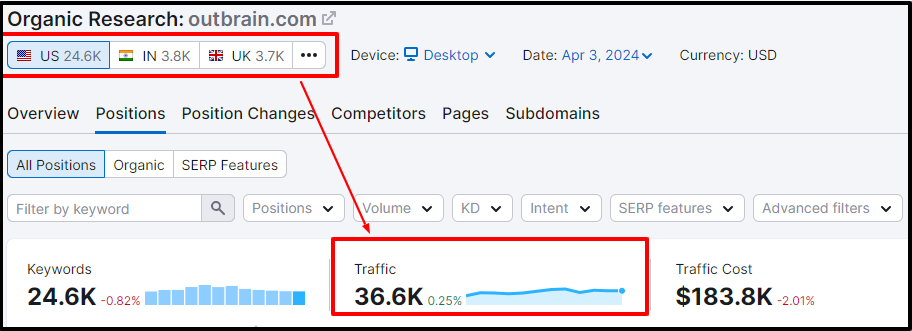
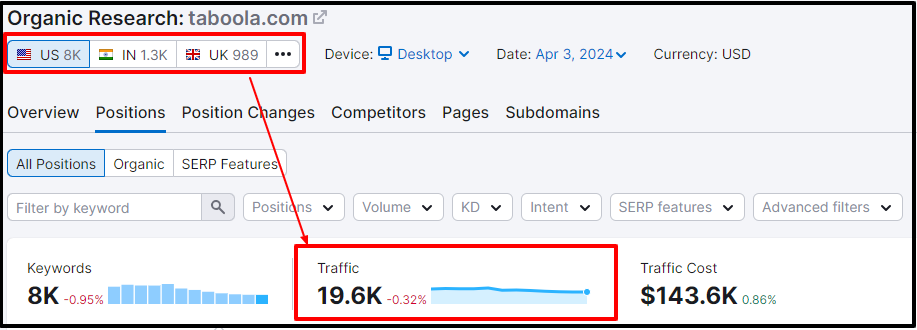
Content distribution platforms: Platforms like Outbrain or Taboola promote your content to relevant audiences across various websites, increasing its visibility and driving targeted traffic.
Influencer marketing: Partnering with established figures in your niche can leverage their audience and credibility to promote your content.
Sponsored content: Paying publications to feature your content within their existing content, reaching their established audience and potentially gaining valuable backlinks.
Owned: This focuses on maximizing the reach of your content through your own channels and platforms in USA.
Blog: Publishing high-quality content on your own blog attracts a dedicated audience and establishes your brand expertise.
Email marketing: Promoting your content to your existing email subscribers fosters engagement and drives targeted traffic.
Social media communities: Building and engaging with communities around your brand on social media platforms fosters organic reach and content visibility.
Choosing the right type of syndication depends on your budget, marketing goals, and target audience. Combining free, paid, and owned strategies can create a well-rounded content syndication plan for maximum impact.
Top 15 Content Syndication Platforms in USA for 2025
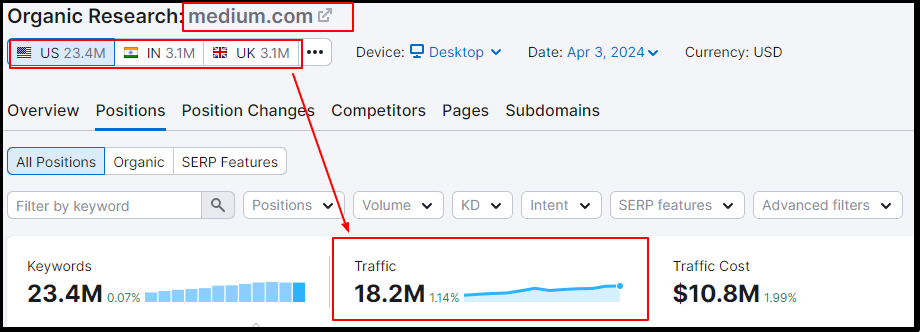
Overview: Medium is a popular online publishing & USA content syndication platform that allows users to write, share, and interact with articles on various topics. It is known for its user-friendly interface and diverse range of content.
Monthly Traffic: 45.7 M
Features
Easy-to-use editor for writing and formatting articles.
Ability to follow other users and publications.
Medium Partner Program for monetizing content.
Curation of articles based on user interests.
Audience:
Medium attracts a wide audience interested in reading and writing high-quality articles across different genres. It is popular among writers, bloggers, professionals, and readers seeking informative content.
Pros
Simple and intuitive platform for publishing.
Opportunity to earn money through the content syndication Partner Program.
Engaged community of readers and writers.
Cons
Limited customization options for personalizing profiles.
Changes in the Partner Program policies have affected some writers’ earnings.
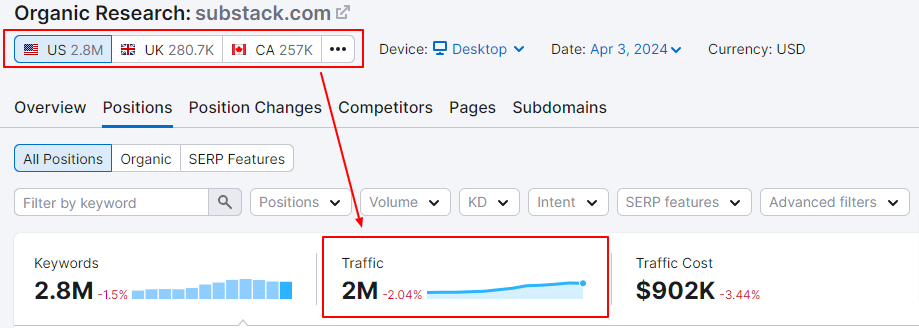
Overview: Substack is an email newsletter content syndication platform that enables writers to create subscription-based newsletters. It provides tools for writers to build their audience and monetize their content through subscriptions.
Monthly Traffic: 2.9 M
Features
Easy setup for creating newsletters.
Subscription model for monetization.
Analytics to track subscriber engagement.
Integration with social media platforms.
Audience:
Substack caters to writers, journalists, bloggers, and content creators looking to connect directly with their audience through personalized newsletters. It appeals to those seeking independent publishing opportunities.
Pros
Straightforward platform for launching newsletters.
Direct relationship with subscribers.
Potential for earning revenue through subscriptions.
Cons
Limited design customization options for newsletters.
Reliance on subscriber numbers for revenue generation.
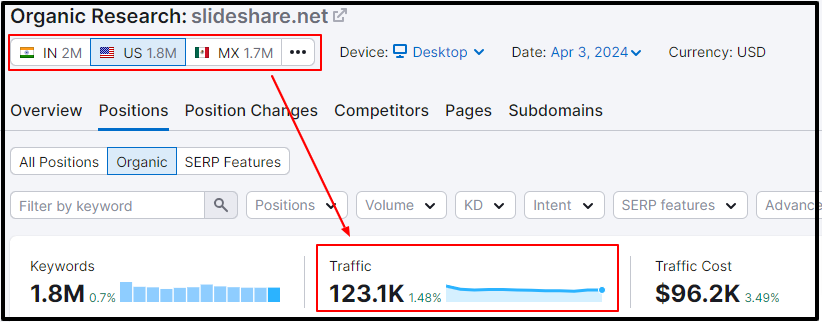
Slideshare is a platform for sharing presentations and slideshows online. It allows users to upload, view, and share slide decks on various topics, making it a valuable resource for educational and professional purposes.
Monthly Traffic: 18.3 M
Features
Ability to upload and organize presentations.
Embedding slideshows on websites.
Analytics to track views and engagement.
Social sharing options.
Audience:
Slideshare caters to professionals, educators, students, and businesses looking to share visual content such as presentations, infographics, and documents. It is widely used for knowledge sharing and marketing purposes.
Pros
Wide reach for content dissemination.
Integration with social media platforms.
Analytics tools for monitoring performance.
Cons
Limited interactivity compared to other presentation platforms.
Some features may require a premium subscription.
Quora
Overview:
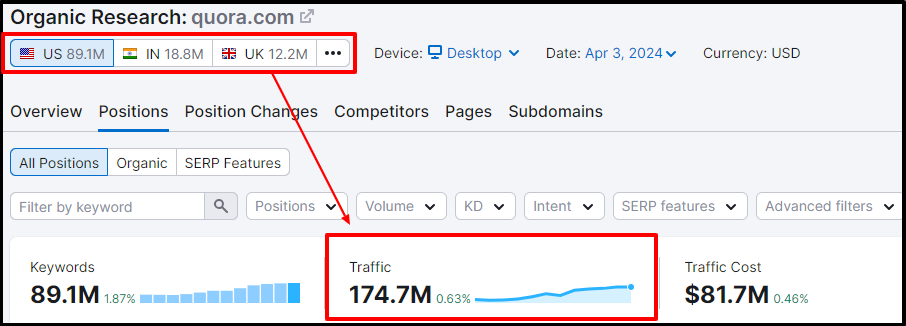
Quora is a question-and-answer & content syndication platform where users can ask questions, answer queries, and engage in discussions on various topics. It serves as a knowledge-sharing community with a vast range of subjects covered.
Monthly Traffic: 358.2 M
Features
Asking and answering questions.
Upvoting answers based on quality.
Following topics and users.
Quora Spaces for group discussions.
Audience:
Quora attracts a diverse audience seeking information, advice, and opinions on a wide array of topics. It is popular among professionals, students, researchers, and individuals looking to share knowledge.
Pros
Access to expertise from diverse fields.
Networking opportunities with professionals.
Quality content moderation.
Cons
Potential for misinformation due to user-generated content.
Some users may experience spam or irrelevant answers.
Outbrain
Overview:
Outbrain is a content syndication platform that helps publishers and advertisers reach a wider audience by recommending articles, videos, and other content on various websites. It focuses on personalized content recommendations to engage users.
Monthly Traffic: 122.1 K
Features
Content recommendation widgets.
Targeted advertising options.
Analytics for tracking engagement.
Native ad placements.
Audience:
Outbrain content syndication caters to publishers, advertisers, and marketers looking to increase their content visibility and drive traffic to their websites. It is used by businesses seeking to promote their content effectively.
Pros
Broad reach across different content syndication websites.
Personalized content recommendations.
Tools for optimizing ad campaigns.
Cons
Some users may find the promoted content intrusive.
Ad performance can vary based on targeting strategies.
Taboola
Overview:
Taboola is a content discovery and native advertising platform that helps publishers and advertisers promote their content across various digital channels. It focuses on engaging users with personalized recommendations.
Monthly Traffic: 103.7 K
Features
Content recommendation widgets.
Sponsored content placements.
Audience targeting options.
Performance analytics.
Audience:
Taboola serves publishers, advertisers, and marketers aiming to enhance their content distribution and advertising strategies. It is popular among businesses looking to increase brand visibility.
Pros
Extensive content syndication network of publishers and websites.
Targeted advertising capabilities.
Data-driven insights for campaign optimization.
Cons
Some users may perceive the promoted content as intrusive.
Ad performance can be influenced by various factors like audience targeting.
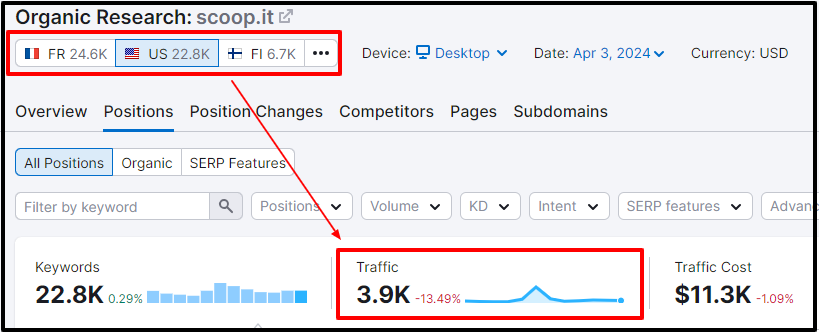
Scoop.it
Overview:
Scoop.it is a interactive content syndication platform that allows users to discover, curate, and share content on various topics. It enables individuals and businesses to create curated content collections for online sharing.
Monthly Traffic: 134.9 K
Features
Content discovery tools.
Customizable content curation.
Social media integration.
Analytics for tracking content performance.
Audience:
Scoop.it caters to content creators, marketers, bloggers, and businesses looking to curate and share relevant content with their audience. It is popular among professionals seeking to establish thought leadership.
Pros
Easy-to-use platform for content curation.
Social media integration for seamless sharing.
Analytics tools for monitoring content engagement.
Cons
Limited customization options for free accounts.
Some users may find the pricing plans restrictive.
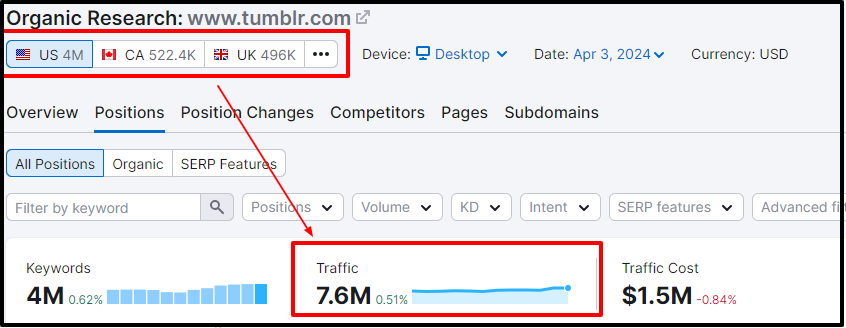
Tumblr
Overview:
Tumblr is a microblogging platform and social networking site that allows users to post multimedia content in the form of blogs, images, videos, and more. It emphasizes creative expression and community interaction.
Monthly Traffic: 15.8 M
Features
Blogging tools for multimedia posts.
Social networking features like reblogging and likes.
Customizable themes for personalizing blogs.
Mobile app for on-the-go posting.
Audience:
Tumblr attracts a diverse audience of artists, bloggers, photographers, and creatives looking to share their work and connect with like-minded individuals. It is known for its vibrant community and niche content.
Pros
Creative platform for multimedia expression.
Strong sense of community engagement.
Mobile-friendly interface for easy posting.
Cons
Limited analytics tools for tracking blog performance.
Changes in policies affecting certain types of content.
LinkedIn
Overview:
LinkedIn is a professional networking platform designed for career development, networking, and business connections. It allows users to create professional profiles, connect with others, and engage in industry discussions.
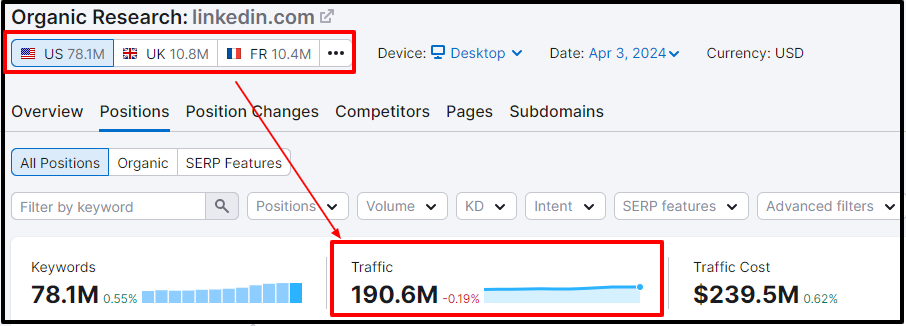
Monthly Traffic: 732.6 M
Features
Profile creation for showcasing professional experience.
Networking through connections and groups.
Job search and recruitment features.
Content sharing and publishing tools.
Audience:
LinkedIn caters to professionals, job seekers, recruiters, businesses, and industry experts looking to network, recruit talent, share insights, and build their personal brand. It is widely used for professional networking purposes.
Pros
Networking opportunities with industry professionals.
Job search and recruitment functionalities.
Platform for sharing industry insights and thought leadership.
Cons
Some users may find the interface overwhelming.
Limited organic reach for shared content.
Reddit
Overview:
Reddit is a social news aggregation and discussion platform where users submit and vote on content across various topics. It serves as a hub for niche communities and discussions on various subjects.
Monthly Traffic: 429 M
Features:
Content submission and voting system.
Subreddits for niche discussions.
User-generated content and discussion threads.
Moderation tools for community management.
Audience:
Reddit caters to a diverse audience of users seeking information, entertainment, and community engagement across various topics. It is popular among individuals looking to participate in discussions and share content.
Pros
Wide range of niche communities.
User-generated content and discussions.
Moderation tools for community management.
Cons
Potential for misinformation due to user-generated content.
Some users may experience negative interactions in certain communities.
Flipboard
Overview:
Flipboard is a content syndication platform that allows users to discover, collect, and share articles, videos, and other content across various topics. It provides a personalized and visually appealing interface for content exploration.
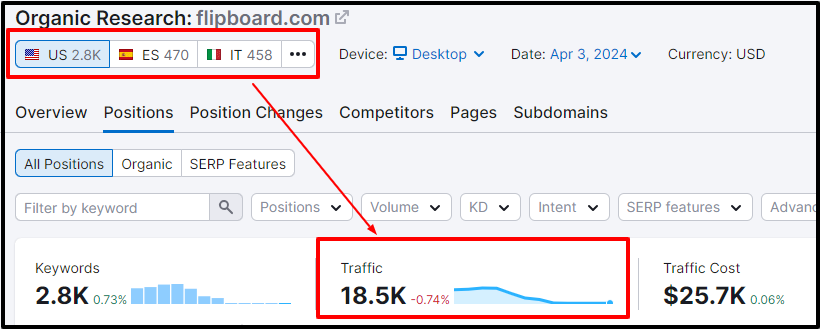
Monthly Traffic: 64.4 K
Features
Content discovery, curation and content syndication tools.
Personalized magazine creation.
Social sharing options.
Integration with other platforms like Twitter and Facebook.
Audience:
Flipboard caters to users seeking to discover and share content across various topics. It is popular among individuals looking for a personalized and visually appealing way to explore content.
Pros
Personalized content recommendations.
Social sharing options for easy distribution.
Integration with other platforms for seamless content sharing.
Cons
Limited customization options for personalization.
Content availability may vary based on user interests.
Zemanta
Overview:
Zemanta is a content discovery and recommendation platform that helps publishers and advertisers distribute their content across various content syndication channels. It focuses on personalized content recommendations to engage users.
Features
Content recommendation widgets.
Targeted advertising options.
Analytics for tracking engagement.
Native ad placements.
Monthly Traffic:
1.7 K
Audience:
Zemanta serves publishers, advertisers, and marketers looking to increase their content visibility and drive traffic to their websites. It is used by businesses seeking to promote their content effectively.
Pros
Broad reach across different websites.
Personalized content recommendations.
Tools for optimizing ad campaigns.
Cons
Some users may find the promoted content intrusive.
Ad performance can vary based on targeting strategies.
ITmunch
Overview:
ITmunch is a content marketing platform that helps businesses create, distribute, and measure the impact of their content across various digital channels. It provides tools for content creation, optimization, and analytics.
Features
Content creation tools.
Distribution and promotion options.
Analytics for tracking content performance.
Integration with other marketing tools.
Audience:
ITmunch caters to businesses, marketers, and content creators looking to develop and distribute high-quality content to engage their audience and drive business growth.
Pros
Comprehensive content marketing platform.
Integration with other marketing tools.
Analytics for measuring content performance.
Cons
Some users may find the pricing plans restrictive.
Limited customization options for free accounts.
ContentMX
Overview:
ContentMX is a content marketing platform that provides tools for creating, distributing, and measuring the impact of content across various digital channels. It offers a range of features for content creation, optimization, and analytics.
Features
Content creation & content syndication tools.
Distribution and promotion options.
Analytics for tracking content performance.
Integration with other marketing tools.
Audience:
ContentMX caters to businesses, marketers, and content creators looking to develop and distribute high-quality content to engage their audience and drive business growth.
Pros
Comprehensive content marketing platform.
Integration with other marketing tools.
Analytics for measuring content performance.
Cons
Some users may find the pricing plans restrictive.
Limited customization options for free accounts.
TripleLift
Overview:
TripleLift is a content discovery and recommendation platform that helps publishers and advertisers distribute their content across various digital channels. It focuses on personalized content recommendations to engage users.
Features
Content recommendation widgets.
Targeted advertising options.
Analytics for tracking engagement.
Native ad placements.
Audience:
TripleLift serves publishers, advertisers, and marketers looking to increase their content visibility and drive traffic to their websites. It is used by businesses seeking to promote their content effectively.
Pros
Broad reach across different websites.
Personalized content recommendations.
Tools for optimizing ad campaigns.
Cons
Some users may find the promoted content intrusive.
Ad performance can vary based on targeting strategies.
Is content syndication good for SEO?
The relationship between syndicated content and SEO is a complex one. Syndicated content involves republishing existing content on other websites to reach a wider audience. While syndicated content can be beneficial for increasing exposure and driving organic traffic back to a website, there are SEO risks involved due to potential issues like content duplication and the risk of outranking original content. Google advises syndicating carefully and ensuring that each site includes a link back to the original article.
When it comes to syndicating content, it’s crucial to use canonical tags to indicate the original source of the content and resolve any duplicate content issues. Additionally, including internal links within syndicated articles can pass authority and equity through to these links, benefiting SEO performance by broadening the backlink profile and providing search engines with more context about the content’s relevancy and popularity.
To successfully syndicate content, it’s essential to carefully select publications, pitch content effectively, build partnerships, and consider whether free content syndication platforms or paid content syndication methods are more suitable for your goals. By following best practices, such as using canonical links, discussing references with editors, and including internal links, syndicated content can be a valuable tool for enhancing SEO performance when done thoughtfully and strategically.
Conclusion
Content syndication can be a valuable tool in your B2B marketing toolbox, but it’s not a one-size-fits-all solution. Maximize its potential by sharing valuable content on relevant, high-quality content syndication platforms. This expands your reach, builds brand awareness, and positions you as a thought leader within the industry. Remember, syndication complements, not replaces, your core content syndication strategy. Continue creating high-quality content for your website to nurture High Quality leads and keep them engaged. When done right, syndication can be a powerful way to reach new audiences and drive valuable leads.
Content Syndication FAQs
How to measure content syndication?
To measure content syndication, we need to track traffic from referral sources, look for gained backlinks, and analyze the user engagement metrics like time spent on the site and conversion growth. Google Analytics and UTM parameters help identify which content syndication channels driving the most traffic. Also, keep eye on keyword performance across syndicated sites to gauge the reach and impact of content distribution.
What is an example of syndicated content?
A perfect example of syndicated content is an article/blog from a big website like The New York Times being republished on other websites and platforms. These websites publish that content on other websites to reach wider audiences available on those websites, often with attribution to the original publisher, enhancing the article’s visibility while retaining its authority.
Is syndicated content bad for SEO?
Syndicated content isn’t inherently bad for SEO, but duplicate content can cause issues with rankings. You have to be more focused using proper canonical tags to avoid penalties. Also make sure your give credit to the original source. If syndicated correctly, it can increase visibility and backlinks, which may improve SEO. The key is to control how and where content is syndicated.
What are the top Content syndication companies?
Top content syndication companies include Taboola, Outbrain, and Content.ad, which offer platforms to distribute content across a broad network of websites. Other noteworthy providers are Zemanta and NewsCred, helping brands extend their reach. These platforms amplify content visibility, driving traffic and enhancing engagement by placing it in front of relevant audiences.
The Evolution of Sales Teams with the Integration of AI
Salespeople rarely spend more than two hours of their daily time actually making sales. Can AI improve these processes?
A sales executive’s capacity to generate revenue is a highly prized asset. Surprisingly, though, salespeople rarely spend more than two hours of their daily time actually making sales. Activities like attending meetings, researching potential customers, and making plans and forecasts eat up the rest. Artificial Intelligence (AI) is revolutionizing the landscape, revealing significant potential for upgrades and making processes more efficient in ways we’ve never seen.
It’s reshaping how sales teams operate and connect with their customers, making every interaction smarter and more effective. Instead of machines stealing jobs, the story is about how they help sales teams reach their maximum potential. A future where sales is more than a numbers game and more of a sophisticated art of individualized client journeys is being carved out by AI by filtering enormous amounts of data and converting them into practical insights.
In this article, we’re taking a look at how sales teams can and should benefit from AI – a revolutionary change in the industry.
AI in Sales: A New Paradigm
As AI weaves its way into the sales narrative, it’s transforming not just the operational aspects of sales but enriching the very art of selling with layers of intelligence and intuition previously untapped.
This transformative journey with AI at its core is redefining the essence of sales strategies, where the synchronization between data and human insight leads to a more nuanced understanding of customer needs and market dynamics. AI’s prowess in sifting through data, predicting trends, and offering personalized insights is enabling sales teams to craft experiences that resonate on a personal level with each customer, marking a departure from one-size-fits-all approaches.
Moreover, AI’s integration into sales is breaking new ground in predictive analytics, enabling a prescient understanding of market movements and customer behavior. Sales professionals are now armed with the tools to foresee customer needs, tailor their approaches with unprecedented precision, and make strategic decisions grounded in data-driven insights. This leap into a future where strategies are informed by deep learning and algorithms is empowering sales teams to innovate and adapt at a pace that keeps them ahead of the competitive curve.
The modern age of AI-enhanced sales is all about strategic empowerment, not only technical improvement. As a result of the complementary strengths of humans and AI, a new era of sales excellence is emerging, one in which strategic vision and individualized client journeys are the defining characteristics of triumph. There is limitless potential for sales to become a more adaptive, smart, and customer-centric area as this cooperation between machine and human intelligence grows deeper.
How AI Enhances Sales Processes
The deployment of Artificial Intelligence (AI) within sales teams marks a significant shift, equipping these teams with groundbreaking capabilities that refine their approaches and enhance their efficacy in achieving objectives. Let’s examine the numerous ways in which AI is reshaping the sales landscape, unveiling a realm filled with innovation and potential:
Transforming Lead Management Practices
The power of AI to sift through extensive datasets to identify and rank potential customers has revolutionized lead management practices. Where traditional methods may falter, often cumbersome and less efficient, they risk missing out on key prospects hidden within vast amounts of data. By utilizing predictive analytics, AI discerns patterns indicative of a higher likelihood of conversion, enabling focused engagement strategies. This precision in targeting promising b2b lead generation services boosts sales teams’ productivity and success rates.
Enhancing Forecasting with AI Insights
Forecasting is a crucial component of sales strategy, requiring precise prediction of future sales performances. AI redefines this area by applying machine learning algorithms to analyze historical sales data alongside market trends, providing detailed forecasts. When sales leaders have access to these forecasts, they are better able to allocate resources and set goals. Sales teams can remain ahead of the competition and take advantage of new opportunities with the help of AI, which can foresee industry developments and consumer wants.
Elevating Customer Interactions with Conversational AI
Virtual assistants and chatbots, powered by advancements in AI and supported by sophisticated ad technology, are reshaping how we approach customer service. Think of them as your go-to pals for everything from quick queries to navigating more complex decisions. This shift not only allows sales teams to concentrate on higher-priority tasks but also adds a personal touch to customer interactions, deepening relationships and boosting loyalty.
You can even use a sales AI agent template and let it handle sales-related customer interactions easily.
Optimizing Outreach with AI-Generated Content
The art of crafting persuasive outreach messages blends creativity with strategic insight, necessitating a profound understanding of the prospect’s needs. In this arena, AI has become an invaluable ally, employing natural language processing to create customized outreach materials efficiently. By drawing on successful communication strategies and integrating insights from customer data, AI produces content that resonates more deeply, improving engagement and streamlining the outreach effort.
Boosting Sales Team Performance through AI-Driven Coaching
AI is revolutionizing sales training by providing instantaneous feedback and tailored insights. Analyzing sales interactions, AI pinpoints effective strategies and highlights areas needing refinement, steering sales representatives toward improved communication and engagement practices. This coaching model, grounded in data and analytics, promotes ongoing development within sales teams, leading to better performance outcomes and higher conversion rates.
Practical Steps Towards AI Integration
To weave artificial intelligence (AI) into the fabric of sales strategies, one must adopt a deliberate strategy. This involves identifying specific areas where AI can add value, selecting the most appropriate AI technologies for those needs, ensuring their seamless integration, and regularly monitoring their effectiveness to gauge their contributions. Let’s look at the refined strategy to assist sales divisions in effectively navigating their path toward AI adoption:-
1. Identifying AI Application Opportunities
Initiate the process by conducting an exhaustive evaluation of your sales workflow to identify areas where AI can offer significant benefits. Are your sales personnel overwhelmed with manual data entry instead of interacting with prospects? Is the process of qualifying leads proving to be a hindrance? Determining specific pain points and opportunities allows for the targeting of AI solutions tailored to meet the distinct needs of your team, such as automating routine tasks or improving lead prioritization through predictive analytics.
2. Choosing Suitable AI Solutions
With a clear understanding of your requirements, investigate and assess AI solutions that can address your identified challenges. Find tools that are easy to use, have been successful in environments like yours, and can interact and easily integrate with your existing CRM systems. Think about the long-term strategic value as well as the short-term efficiency benefits when weighing the investment against the possible return. To ensure a seamless transition for your staff, choose solutions that come with extensive support and training resources.
3. Efficient Deployment and Team Onboarding
The effective deployment of AI tools extends beyond mere technical integration; it necessitates endorsement from the sales team. Initiate pilot projects to showcase the real-world benefits of AI tools. Utilize these initial victories to cultivate enthusiasm and confidence within your team. Conduct detailed training sessions that do not just cover operational instructions but also elucidate how AI can enhance their work efficiency and impact. Solicit feedback and be prepared to tweak training and support mechanisms to address any challenges encountered during the initial adoption phase.
4. Evaluating Impact and Refining Strategies
Once AI tools are operational, define key performance indicators (KPIs) to measure their influence on sales activities and outcomes. These metrics might encompass reductions in time spent on non-sales activities, enhancements in lead conversion rates, or boosts in customer engagement metrics. Periodically analyze these metrics to gauge the success of AI integration and pinpoint areas for further refinement. Stay updated about the latest developments in AI technology to ensure your sales team consistently utilizes the most effective tools and approaches.
The Future of Sales & AI
The integration of sophisticated algorithms and machine learning into sales practices marks a significant shift in operational methodologies and engagement strategies within the industry. This evolution is characterized by several key developments that underscore the profound impact of artificial intelligence on future sales endeavors.
Refinement in Prospecting Techniques
Improvements in AI in the future should make identifying prospective customers much easier. As per Hubspot, AI tools can save up to two hours a day for salespeople, allowing them to focus on what matters the most. Optimizing sales techniques to focus on the most promising possibilities allows for maximum efficiency and outcomes by identifying those with the highest potential for conversion.
Tailored Customer Experiences
Advancements in computational linguistics and data analysis will enable a new generation of AI tools capable of more authentic and engaging conversations with clients. This progression towards individualized experiences is expected to not only meet but surpass client expectations, fostering loyalty and encouraging repeat business.
Dynamic Sales Approaches
The capability to analyze data in real-time and derive meaningful insights will equip sales professionals with the flexibility to rapidly alter their approaches in line with evolving market conditions and client feedback. This responsiveness is essential for staying competitive and seizing new opportunities as they arise.
Conclusion
More than just a technical trend, the application of AI in sales signals a paradigm change towards more analytical, customer-centric, and flexible approaches to sales. The trajectory of sales, as affected by AI, provides not just the promise of enhanced operational efficiency, but also a revolution in how customer connections are developed and maintained.
Sales prospecting tools are driving a massive change in the industry. Is your organization well-equipped for the future?
The advent and widespread use of sophisticated sales prospecting tools are driving a sea change in the sales industry as we go ahead in the year 2025. A more efficient and successful sales process is needed more and more in this day and age when finding and interacting with potential leads can take up a lot of time for salespeople.
This is why, tools for sales prospecting have gone from being optional to crucial to any effective sales plan. They provide an opportunity to enhance contacts between sales teams and prospective customers while simultaneously saving valuable time. Based on insights gathered from LinkedIn, 55% of surveyed sales leaders think that leveraging data and analytics can significantly boost the productivity of sales teams, which easily comes from sales tools.
The message is starting to stand out: choosing the right sales prospecting tool may do wonders for your organization and its position in the market, either propelling you ahead or dragging you behind. This article dives into the leading sales prospecting tools that will likely revolutionize sales strategies in 2025, analyzing their unique features, advantages, and more.
Sales Prospecting Tools: What are they and how they’re helpful to organizations like yours
Meeting and exceeding expectations is an ongoing struggle in today’s competitive sales climate. The emergence of sales prospecting software is an important development in this regard. With these tools, sales teams can achieve unprecedented levels of efficiency, accuracy, and overall effectiveness, among other advantages. Innovations like this in sales technology reshape how departments in charge of making sales spend their time and energy. Let’s look at some of the many benefits that come with adopting sales
Benefits of sales prospecting tools
Automating Lead Identification to Boost Sales Team Efficiency
To begin with, salespeople no longer have to manually do the arduous process of lead identification, thanks to the automation aspects of these tools. A huge step forward in task management has been the automation of formerly manual operations, freeing up salespeople to focus on what they do best: building relationships and closing deals. According to the research done by Hubspot, 81% of sales leaders believe that AI has the potential to reduce their time spent on manual tasks.
Leveraging Advanced Analytics for Deeper Customer Insights
Moreover, these software systems offer insights that have never been seen before. With the use of advanced analytics and machine learning, sales teams can obtain detailed profiles of potential customers. This allows them to understand their needs, preferences, and obstacles even before they reach out to them. Having the capability to tailor outreach efforts to individual clients is now essential in today’s corporate world, as clients demand and value personalized interactions.
Seamless Integration: Connecting Sales Tools with Your Digital Ecosystem
One other major perk is how well these tools work with preexisting digital infrastructures. It is critical to ensure smooth data transfer across social media, email providers, and customer relationship management systems in this era of ever-growing connectivity between sales, marketing, and customer service. Since integrating these tools ensures a consistent and personalized customer experience across all touchpoints, the chances of successful conversions are substantially increased.
Real-Time Analytics: Driving Agile and Data-Driven Sales Strategies
Finally, sales prospecting software’s strategic true value is shown by its ability to provide real-time analytics and insights. Organizations in sales may monitor their performance, assess customer involvement, and adjust their strategies with lightning speed and pinpoint accuracy. Sales activities are responsive and strategically aligned with developing market conditions and consumer expectations because of the capacity to iteratively improve techniques in reaction to real-time data.
Latest Sales Prospecting Tools for 2025
As the sales landscape evolves, so does the arsenal of tools at the disposal of sales teams. In the following section, we’re looking at the best sales prospecting tools for 2025, their unique features, and also their advantages, drawbacks, and pricing:-
1. LeadGenius
LeadGenius is a tool for B2B firms focused on improving interactions with key accounts, shortening the sales cycle, and elevating their revenue generation.
Advantages:
Precision in targeting through AI algorithms along with human computation, minimizing time on unqualified leads.
Facilitates global market penetration with its extensive international data access.
Easy to use website, allows users to easily navigate and get what they need without much hassle
Limitations:
May bring out unwanted, unusable, or old leads at times
Can’t be easily integrated into CRM platforms such as Hubspot
It is mostly automated and one may wish for a more human touch while interacting with the interface
Cost Overview: Pricing is tailored, necessitating direct consultation for accurate quotes, reflecting the solution’s bespoke nature but complicating upfront cost comparisons.
2. HubSpot Sales
Seamlessly integrated with HubSpot CRM, Hubspot Sales offers a suite of tools for streamlined sales processes, featuring an intuitive interface designed to minimize administrative tasks.
Advantages:
Intuitive Design: Significantly reduces the learning curve with minimal training required.
Comprehensive Pipeline Management: Organizes entire sales pipeline information efficiently.
Facilitates Collaboration: Easy task assignment among team members enhances productivity.
Limitations:
Advanced functionality requires upgrading to significantly more costly tiers.
Frequent Upselling: Constant prompts to upgrade for access to features can hinder user experience.
Cost Overview: Offers two packages – Professional at $450/month and Enterprise for $1500/month
3. Salesforce Sales Cloud
This CRM powerhouse offers unmatched customization, allowing businesses to mold the platform to their unique workflows, enriched with AI-driven insights for strategic decision-making.
Advantages:
Seamless External Integrations: Excellently integrates with external and proprietary systems, streamlining CRM functionalities.
Tailor-made Customization: Offers a wide range of adaptability options to mold the platform according to business-specific requirements, including enhanced data analysis features.
Extensive Suite of Features: Facilitates comprehensive management of the customer’s journey from lead to settlement, bolstered by data insights from tools like Einstein Analytics.
Limitations:
Complex Interface for Beginners: New users may find the platform’s interface and design challenging to navigate, necessitating a substantial learning period.
High Cost: The platform’s pricing can be prohibitive, especially for expanding needs or accessing more sophisticated capabilities, which may limit its use among smaller enterprises.
Significant Training Required: Given its wide array of features and customization potential, users often face a considerable learning curve, requiring in-depth training or technical expertise.
Cost Overview: Entry-level plans start from $25 per user per month, with escalating prices up to $165 for advanced functionalities and customization capabilities.
4. LinkedIn Sales Navigator
Tapping into LinkedIn’s extensive professional network, this tool aids in identifying and engaging potential leads with advanced search filters and personalized outreach through InMail.
Advantages:
Consent-Focused Engagement: Employs InMail for voluntary recipient interaction, ensuring compliance with privacy regulations like GDPR.
Updated Professional Profiles: Provides access to current employment details, facilitating accurate lead targeting and seamless direct outreach.
Robust B2B Functionality: Equipped with advanced search options, insightful lead generation, and capabilities for fostering direct connections with potential clients, pivotal for B2B sales activities.
Limitations:
Bulk Activity Limitations: Its commitment to reducing spam restricts large-scale outreach efforts, potentially impacting broad marketing strategies.
Subscription Expense: Positioned at a premium price point, with a cap on monthly direct messages, posing budgetary considerations.
User Experience and Information Reliability: Presents a steep learning curve with a wealth of features, while the accuracy of data is dependent on user updates, sometimes necessitating external resources for comprehensive lead contact details.
Cost Overview: Individual plans commence at $99.99 per month, with additional features for team and enterprise packages of up to $1600 a year, meriting evaluation based on LinkedIn dependency for lead generation.
5. ZoomInfo SalesOS
Offering an extensive B2B database, ZoomInfo facilitates targeted sales efforts with rich company and contact information, augmented by intent data and buying signals for timely engagement.
Advantages:
Reliable Data Reservoir: Distinguished for its precise and trustworthy database, enhancing the process of pinpointing crucial organizational figures.
Intuitive Usability: Boasts a straightforward layout and seamless connectivity with tools like Outreach, simplifying contact management.
Insightful Engagement Resources: Delivers in-depth analyses on account activities, technological adoption, and prospective buyer behaviors, supporting customized engagement approaches.
Limitations:
Inconsistencies in Global Data: Encounters accuracy issues within emerging markets, affecting its applicability for internationally operating enterprises.
Operational Quotas: The presence of monthly usage caps necessitates judicious planning to fully leverage the platform’s capabilities.
Cost Overview: Customized pricing based on usage scale and feature access, requiring direct engagement for quotation, which allows for tailored solutions but complicates budget planning.
6. Overloop
As a versatile sales automation platform, Overloop simplifies prospecting and follow-up, boasting a user-friendly interface and efficient task automation to boost productivity.
Advantages:
Simplified management of sales pipelines and campaigns through an intuitive interface.
Automation of repetitive tasks accelerates the prospecting phase and follow-up efficiency.
Compatibility with a wide array of software enhances its utility within a sales tech stack.
Limitations:
Adjusting to the rebranded platform may require a transition period for existing users.
Advanced features are gated behind higher subscription levels.
Cost Overview: Pricing initiates at around $49 per user per month, offering accessibility for small to medium businesses while providing scalability options for growing operations, going up to $125 per month per user for enterprises.
7. Owler Max
Delivering competitive intelligence, Owler Max equips sales teams with timely news alerts, comprehensive company insights, and trend analysis, fostering a strategic approach to market engagement.
Advantages:
Effortless Monitoring: Simplifies tracking the latest updates and news on key accounts, enhancing market awareness without manual effort.
Valuable Industry Insights: Offers personal insights and competitive comparisons from professionals across various industries, aiding in strategic planning.
User-Friendly Experience: Features an easy-to-use interface, with a free version available for initial exploration and a straightforward sign-in process, making it accessible for regular use in prospecting activities.
Limitations:
Limited Free Version: While the free version is beneficial, the limitation to tracking a certain number of competitors compared to premium accounts restricts comprehensive market analysis.
Data Accuracy Concerns: Challenges with ensuring the reliability of user-contributed company information, such as employee numbers and income, which can detract from its utility as a data source.
Cost Overview: Offers a free community package for personal use and starts its professional plans from $35 per month.
Conclusion
Selecting the appropriate sales prospecting tool involves striking a harmony between recognizing the distinct requirements of your sales process and evaluating the prospective return on investment. Each tool brings its own set of advantages, yet it’s equally important to account for their constraints. As we move into 2025, achieving success in sales will depend on the strategic use of technology — not merely to chase after the latest innovations but to truly boost the productivity and impact of sales activities.
Voice of Customer – Understanding Customer Experience Better
With well-informed and tech-savvy buyers in control, can you capitalize on VoC for a competitive edge?
According to Deloitte, companies that prioritize customer-centricity experience a 60% higher profitability compared to those that do not focus on the customer. The times have changed today and products often have similar features, distinguishing yourself through exceptional customer experiences is the only way to stay competitive.
To enhance customer experiences, gaining insights into customer needs and perspectives is important, and this is where the Voice of Customer (VoC) research comes in. Actively listening to customers enables improvements in customer retention, referral rates, reputation, employee satisfaction, and more. Companies employing effective VoC best practices consistently witness year-on-year revenue growth.
Are CX and VOC the same?
The straightforward answer is no.
Voice of Customer is part of CX and excelling at it can enhance your customer experience journey and help you align with your customers’ thought processes on a better level.
Voice of Customer Vs. Customer Experience
Voice of the Customer helps companies align customer expectations and the actual customer experience provided by the company
CX includes all the interactions of a company with its customers throughout the purchasing process. This includes marketing, sales, customer service, and every point of contact, representing the cumulative impact of all customer interactions with your brand.
Customer interviews are one technique you can use to gather VoC data. While interviews are time-intensive, they often give you some of the most valuable feedback.
Conducting an in-depth interview opens the window to really personalized, in-depth research. Whether in person, over the phone, or through video chat, interviewers have the opportunity to dig into the customer’s responses and pull out additional insights that other VoC research techniques may miss.
For example, if a customer indicates they struggled with a particular aspect of your product, the interviewer can dig in there and gather more specific details about what the problem was, why it happened, and how your company might fix it.
Plus, customers often view this type of engagement as the most personalized, meaning it can be an opportunity to nurture individual customer relationships, too.
Survey customers
Customer surveys are one of the most flexible methods for gathering Voice of the Customer data -surveys can include three questions posed immediately after signup, they can be in-depth, 100-point questionnaires sent to your most engaged customers via email, or they can be everything and anything in between.
Surveys are also an eminently scalable option for VoC research. Once the questionnaire is built, you can use it to survey as many customers as you can get to fill it out.
To that end, they can serve as a useful filter for identifying which customers you want to get more details and feedback from, via another, more in-depth VoC technique (like interviews or focus groups).
Plus, surveys are one of the best techniques for gathering both quantitative and qualitative feedback — you can easily include quantitative ratings along with open-ended qualitative questions.
Conduct focus groups
Focus groups, similar to customer interviews, are often done in person. The primary difference is that focus groups involve a small group of customers, instead of being conducted one-on-one.
The group of customers is gathered together along with a moderator. From there, the moderator presides over a (often free-flowing) discussion about the brand, product, or industry.
As a source of Voice of the Customer data, focus groups are one of the best ways to conduct more exploratory research — in their discussions, groups may often touch on things your company may never have thought to ask about.
Plus, the back and forth between customers can help to draw out consensus and deeper details that other research techniques may gloss over.
Focus groups can also be useful when the feedback required is more specific: seeing how customers perceive a particular new product, for example, or gauging their reactions to a rebrand or advertisement.
Offer a feedback form
Regardless of whether you’re actively seeking Voice of the Customer feedback or not, it’s a good idea to have a form available where customers can share their feedback at any given time. This is separate from your Customer Support operation, and it can be an invaluable way to keep a pulse on how customers feel about your brand and product.
Often hosted right on your website, a feedback form allows customers to share their thoughts whenever they arise. That’s useful because it provides unsolicited feedback — meaning each customer who submits a form was inspired to do it, whether by a positive or negative experience.
Feedback forms can also help you catch emerging trends on the Voice of the Customer, even when you aren’t actively looking for them.
Talk to customer-facing employees
With all the emphasis on going out and soliciting customer feedback, it’s easy to forget that you have employees within your team who are already well-versed in the Voice of the Customer. Team members who talk with customers regularly are often your best window into the customer’s mind.
That includes, most notably, your Support team, who spend the majority of their time with customers. When problems arise (like a software glitch or a product deficiency), your Support team will often be the first to know and the first to identify widespread problems from isolated issues.
Other teams, like Sales, are also on the front lines of listening to customers’ needs and trying to match them up with what you offer. They can offer invaluable details on customer pain points, objections, and why deals may be lost to competitors.
Building a Voice of the Customer Program
Implementing a voice-of-customer program is crucial for enhancing customer loyalty and refining product offerings. Engaging various stakeholders ensures diverse perspectives in seeking customer feedback.
After forming a dedicated team and collecting customer input, the next step involves crafting a strategy for utilizing the gathered data effectively.
Here’s how you can do it:
Define Your Target Audience:
When you carefully select customer segments, buyer personas, or specific demographics, you ensure the right customers are targeted. Understand the key characteristics of your audience to influence the choice of feedback mechanisms and methodologies that best suit your customers.
Identify Your Core Values:
Recognize the relationship you have with your brand’s customers, including shared values. It is crucial for meeting your customers’ needs and building meaningful connections with them.
Conduct Data Analysis for Patterns and Trends:
Use qualitative input to identify product issues or areas for improvement in your customer service processes. Analyze quantitative data to reveal usage patterns, indicating the success or effectiveness of features.
Share Information Across Your Organization:
Disseminating information benefits different business areas and informs your employees about customer expectations, contributing to a customer-centric culture within your organization.
Act on Customer Insights:
Take concrete actions based on VOC data, such as improving your customer support or launching new products and services. This demonstrates your responsiveness to customer needs.
Measure Your Success:
Prioritize customer satisfaction as a core metric to ensure ongoing improvement. Follow up on implemented changes to gauge customer response and verify if the intended outcomes were achieved.
Make Revisions:
Your VOC programs should evolve, requiring periodic changes to methodologies. This may involve updating survey questions to gather new information or exploring innovative ways to engage with your customers.
Choosing the Right Tools
VoC tools can help you collect and analyze customer feedback in a more organized manner. Choosing the right tools could be the differentiating factor between understanding your customers aptly and assuming things.
The following are some of the best-performing VOC tools:
Clarabridge
Clarabridge is a text and speech analytics platform that helps businesses analyze customer interactions and feedback. It is also great if you’re looking for a tool to help you with compliance with privacy mandates.
Medallia
Medallia is a customer experience management platform that captures and analyzes customer engagement data from multiple applications to provide a holistic view of the customer journey.
Businesses of all sizes looking for a way to understand the customer journey and improve customer experience can use Medallia.
Verint
Verint is a data analytics platform that incorporates a platform for data collection, integration, and analysis across digital, physical, and contact center databases. It focuses on speech analytics and predictive experience methodology.
It is for businesses that want to use speech analytics and predictive experience methodology to improve customer experience.
Feedier
Feedier is a customer feedback management platform that allows users to collect, organize, and analyze customer feedback.
Medium to large enterprises that want to collect, organize, and analyze customer feedback, and take action on it.
HubSpot
HubSpot is a CRM platform that also includes a customer feedback management system. HubSpot’s customer feedback software empowers companies to take the customers’ pulse and ensure they’re capturing critical KPIs.
Mid-sized to large enterprises that want to collect, analyze, and act on customer feedback, and connect it to their CRM and service software.
Conclusion
The bottom line is that a proactive approach to implementing a robust VoC program is imperative for business success. Integrating customer feedback with data analysis allows for the customization of products and strategic improvements in the customer journey. Despite the initial time investment and effort required for effective communication and research, the long-term benefits in terms of enhanced customer satisfaction and business growth are invaluable.
Understanding the needs and preferences of customers before purchase decisions is how you know you are meeting their expectations. The customer-centric approach builds loyalty and positions the business for success in a competitive market.
Businesses prioritizing customer feedback can establish themselves as leaders, paving the way for long-term growth and resilience.
Mass marketing is dead, and modern B2B buyers are savvier and more demanding. How can sales teams use ABM to stay ahead?
The B2B sales cycle is often lengthy due to complex decision-making processes and constrained budgets. This time-consuming reality can frustrate even the most seasoned sales professionals. Thanks to Account-Based Marketing (ABM), it becomes easier to identify and prioritize high-value b2b lead generation services, aligning Sales and Marketing teams.
According to the research conducted by the ABM Leadership Alliance and ITSMA, 76% of marketers saw higher ROI with ABM than any other marketing strategy.
ABM eschews the traditional, broad approach and adopts a laser-focused strategy on high-value accounts. This proactive engagement allows interaction with potential customers throughout their buying journey, fostering deeper relationships and accelerated deal velocity.
While the benefits of ABM are undeniable, mastering its challenges separates mere intentions from impactful results.
Top ABM Challenges
Targeting the Right Accounts:
1. Data Dilemma:
Manually segmenting customer data can be daunting, especially when handling heaps of data. Investing in customer insights platforms that analyze firmographics (company size, industry), technographics (technology used), and engagement patterns to identify high-value accounts that perfectly align with your product or service can go a long way.
2. Buyer Blind Spots:
Don’t underestimate the complexity of buying committees. Use social listening tools like Sprout Social or BuzzSumo and industry reports to understand the different stakeholders within each target account, their roles, responsibilities, and potential pain points.
3. Friction in Fit:
Develop scoring models based on firmographic, behavioral, and intent data to assess conversion potential. Continuously refine your model as you gather more campaign data and results.
Choosing the Right Tech Stack:
1. Tech Overload:
Focus on core functionalities like account identification, engagement tracking, and reporting. Choose ABM platforms that seamlessly integrate with your existing CRM and marketing automation tools.
2. Channel Conundrum:
Experiment with a strategic mix of channels. Utilize personalized email campaigns with relevant content offers, targeted social media ads on platforms frequented by your target audience, and high-impact events like webinars or industry conferences to capture attention.
3. Measurement Maze:
Accurately measure ROI with multi-touch attribution models that track campaign performance across various channels. Invest in analytics tools that provide clear insights into account engagement and campaign effectiveness.
Driving More Opportunities:
1. Content Conundrum:
Craft personalized content that resonates with each account’s specific needs and challenges. Offer gated white papers, case studies, and webinars tailored to their industry, buying stage, and pain points.
2. Engagement Enigma:
Cut through the noise with personalized outreach. Utilize account-based advertising (ABA) platforms to target specific accounts with relevant ads. Implement triggered email campaigns based on their website behavior to nurture their interest.
3. Nurturing Nuances:
Keep accounts engaged throughout the buyer journey with lead nurturing workflows that deliver relevant content and timely touches. Leverage marketing automation tools to automate and personalize these interactions for increased efficiency.
Aligning Sales and Marketing:
1. Communication Breakdown:
Break down silos through open communication, regular meetings, shared dashboards, and joint goal setting. Encourage cross-team collaboration and knowledge-sharing sessions to ensure everyone is on the same page.
2. Goal Gap:
Ensure everyone’s working towards the same target by defining clear, measurable ABM goals aligned with overall business objectives. Track KPIs relevant to sales and marketing, such as engagement rates, qualified leads generated, and sales pipeline growth.
3. Handoff Hangover:
Establish a smooth lead qualification process with defined criteria. Implement service-level agreements (SLAs) for timely lead handoff from marketing to sales. Train sales reps on the nurturing efforts conducted by marketing to ensure they can effectively continue the conversation.
Opportunities in ABM
Laser-Focused Engagement
ABM isn’t about casting a wide net; it’s about crafting personalized campaigns that speak to your target accounts. This means understanding them and tailoring your approach for maximum resonance. The personal touch doesn’t just increase engagement but also turns into tangible ROI gains you can measure.
Profitable Partnerships
ABM aims to nurture mutually beneficial partnerships. Through thorough analysis of your target accounts, you unwrap opportunities for cross-selling and up-selling. When you show how your solutions solve their unique challenges, you’re not just gaining customers – you gain brand advocates.
Sales and Marketing Alignment
ABM is all about getting everyone on the same page. It brings sales and marketing together, ensuring they share goals and insights. This collaboration not only makes leads convert more easily but also creates a culture where successes are shared and celebrated as a team.
Accelerating Deals
With ABM, you can personalize communication straight to decision-makers, cutting through the confusion and highlighting what makes your offering stand out. This approach accelerates deals and gets you closer to those success stories.
ABM and The Shift to Industry 5.0
Account-based marketing (ABM) has undergone a fascinating shift, transforming from its initial targeted campaigns to a comprehensive growth strategy emphasizing results and customer experience. The journey began with ABM, where laser-focused efforts targeted high-value accounts. This evolved into Account-based Experience (ABX), recognizing the importance of individual needs and crafting personalized outreach that resonated with each account. Finally, Account-based Growth (ABG) emerges as the current iteration, expanding beyond marketing and sales to involve all departments in a collaborative effort. This holistic approach fosters long-term relationships and drives substantial revenue growth within key accounts.
ABG’s impact reaches far beyond traditional ABM, fostering a more comprehensive business mindset. It’s not just about acquiring new clients – it’s about nurturing existing relationships and delivering maximum potential from them. This shift extends beyond marketing and sales, requiring cross-departmental collaboration. This unified approach creates a powerful synergy that drives growth far exceeding the limitations of traditional ABM.
ABG aligns perfectly with the burgeoning Industry 5.0, which champions the seamless integration of technology and human interaction. Just as Industry 5.0 advocates for personalized experiences delivered through intelligent technology, ABG leverages automation and data-driven insights to craft highly personalized content and outreach while maintaining the authenticity of human interaction. This synergistic balance is key to success in today’s customer-centric landscape.
Conclusion
While challenges exist in implementing ABM, the rewards are undeniable. From boosting ROI to seamless sales-marketing alignment, ABM empowers businesses to forge genuine connections with high-value accounts and cultivate long-term partnerships. And, as we move towards Industry 5.0, with its emphasis on human-centric technology and hyper-personalization, ABM’s potential as a holistic growth strategy becomes even more apparent.
The bottom line – the future is bright for those who prioritize personalized experiences and data-driven strategies. You just need to be ready for it.